
Reevaluating the Rizal Law at 70: Legarda urges renewed appreciation of Rizal’s teachings to shape values and nationhood
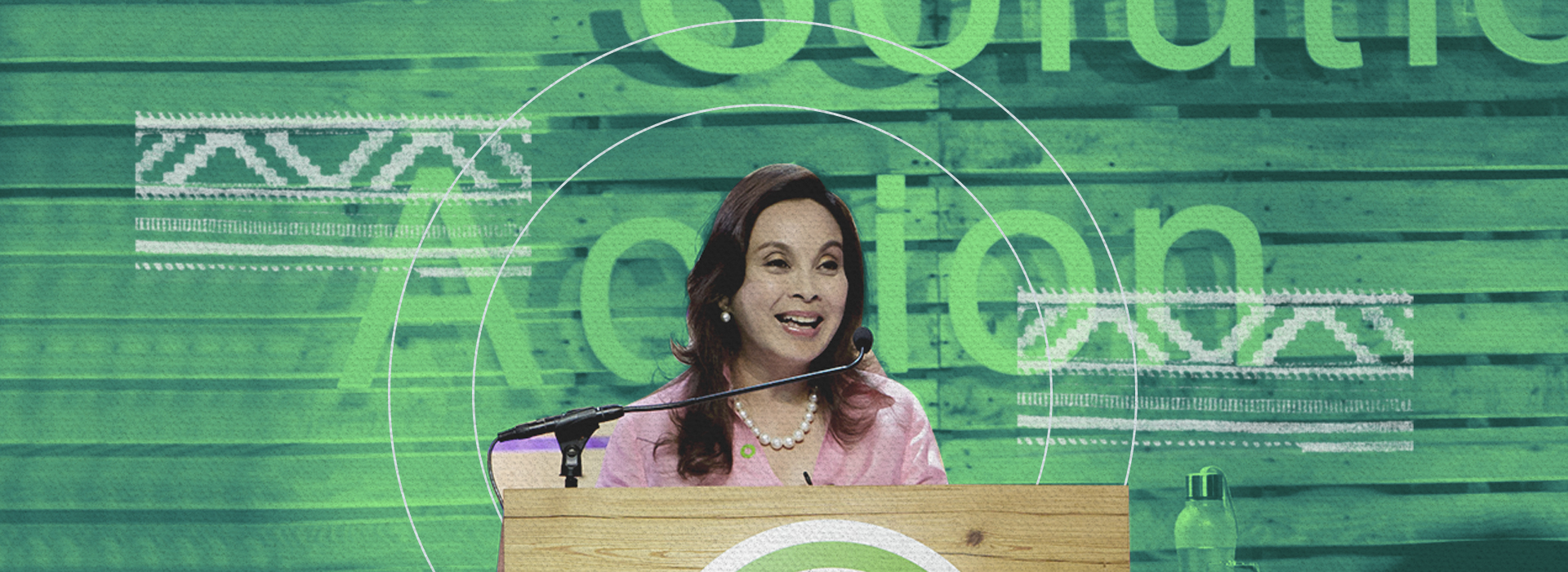
August 15, 2026Senator Loren Legarda urged a renewed appreciation of Republic Act No. 1425, or the Rizal Law, stressing that Rizal’s teachings remain vital in shaping values, guiding the youth, and strengthening Filipino nationhood, as the second installment of the Solidaridad Literary Series was held on 14 August 2026 at the Solidaridad Bookshop in Ermita, Manila.
The event, “Reevaluating the Rizal Law at 70,” featured a lecture by Dr. Paul A. Dumol of the University of Asia and the Pacific. Legarda emphasized that Rizal’s works must continue to inspire civic duty and cultural pride, noting that their relevance extends beyond classrooms into the daily lives of Filipinos.
“Paalala ito na ang tunay na kalayaan ay nakaugat sa kaalaman at malasakit. Kung hindi natin muling bibigyang‑halaga ang mga aral ni Rizal, mawawala ang gabay na humuhubog sa ating pagkatao bilang Pilipino,” Legarda said.
The program opened with Reading Rizal, a special exhibition curated from the collection of Dr. Victorino “Ino” Manalo, with curatorial notes by Kristian Sendon Cordero offering contemporary reflections on Rizal’s texts. This set the tone for the lecture, which revisited the Rizal Law’s passage in 1956 and its continuing role in nation‑building.
Legarda’s call was reinforced by her recent legislative initiative. On July 29, 2026, she filed Senate Resolution No. 539, directing the Committee on Culture and the Arts to review the implementation of the Rizal Law. The measure seeks to examine textbooks, translations, and editions of Rizal’s works used in schools, and ensure their preservation and dissemination as part of the nation’s cultural patrimony.
Dr. Dumol’s lecture highlighted how the Rizal Law was enacted to guard against the loss of national identity and to instill civic duty and nationalism. He noted that while Rizal’s novels remain central to education, poor teaching practices and reduced classroom time risk turning them into mere assignments. Participants echoed these concerns, pointing to abridged versions and translations that dilute Rizal’s original meaning, weakening the law’s intent to immerse the youth in his full vision of nationhood.
The discussion also stressed that teachers must be properly prepared, as the study of Rizal requires grounding in both history and literature. Dumol remarked that “the worse Philippine society becomes, the more Rizal is needed,” underscoring the urgency of teaching his works meaningfully to strengthen civic virtues and ethical responsibility.
Legarda emphasized that the Solidaridad Literary Series is not only a commemoration but also a continuing dialogue and assessment of identity, memory, and nationhood.
“Sa tuwing binabalikan natin ang mga aral ni Rizal, muling nabubuksan ang diwa ng kalayaan at malasakit na dapat isabuhay sa ating araw‑araw na pamumuhay. Hindi lamang ito bahagi ng kasaysayan, kundi gabay na nagpapatatag sa ating pagkakakilanlan bilang Pilipino at nagbibigay direksyon sa paghubog ng isang lipunang makatarungan, mapanuri, at makabayan,” Legarda concluded. (30)
—————————————————————————-
Muling Pagsusuri sa Rizal Law sa ika‑70 taon: Legarda nananawagan ng muling pagpapahalaga sa mga aral ni Rizal para sa paghubog ng pagpapahalaga at pagkabansa
Nanawagan si Senadora Loren Legarda ng muling pagpapahalaga sa Republic Act No. 1425, o Rizal Law, na nagbibigay‑diin na ang mga aral ni Rizal ay nananatiling mahalaga sa paghubog ng pagpapahalaga, paggabay sa kabataan, at pagpapatatag ng pagkabansa ng mga Pilipino, kasabay ng ikalawang yugto ng Solidaridad Literary Series na ginanap noong 14 Agosto 2026 sa Solidaridad Bookshop sa Ermita, Maynila.
Tampok sa programang “Reevaluating the Rizal Law at 70” ang lecture ni Dr. Paul A. Dumol mula sa University of Asia and the Pacific. Binanggit ni Legarda na ang mga akda ni Rizal ay dapat patuloy na magbigay‑inspirasyon sa tungkuling sibiko at pagmamalasakit sa kultura, at ang kahalagahan nito ay hindi lamang sa klase kundi umaabot sa pang‑araw‑araw na pamumuhay ng mga Pilipino.
“Paalala ito na ang tunay na kalayaan ay nakaugat sa kaalaman at malasakit. Kung hindi natin muling bibigyang‑halaga ang mga aral ni Rizal, mawawala ang gabay na humuhubog sa ating pagkatao bilang Pilipino,” ani Legarda.
Binuksan ang programa sa pamamagitan ng Reading Rizal, isang natatanging eksibit mula sa koleksyon ni Dr. Victorino “Ino” Manalo, na may kuratoryal na tala ni Kristian Sendon Cordero na nagbigay ng makabagong pagninilay sa mga teksto ni Rizal. Ito ang naglatag ng tono para sa lecture na muling tinalakay ang pagpasa ng Rizal Law noong 1956 at ang patuloy nitong papel sa nation‑building.
Pinalakas pa ng bagong hakbang ni Legarda ang panawagan. Noong Hulyo 29, 2026, naghain siya ng Senate Resolution No. 539 na nag‑uutos sa Committee on Culture and the Arts na suriin ang implementasyon ng Rizal Law. Layunin ng panukala na repasuhin ang mga aklat, salin, at edisyon ng mga akda ni Rizal na ginagamit sa mga paaralan, at tiyakin ang kanilang pangangalaga at pagpapalaganap bilang bahagi ng pambansang pamana.
Ipinunto ni Dr. Dumol sa kanyang lecture na ang Rizal Law ay ipinasa upang maiwasan ang pagkawala ng pambansang identidad at upang itanim ang tungkuling sibiko at nasyonalismo. Binanggit niya na bagama’t sentro pa rin sa edukasyon ang mga nobela ni Rizal, ang mahinang pamamaraan ng pagtuturo at kakulangan ng oras sa klase ay nagbabantang gawing simpleng takdang‑aralin na lamang ang mga ito. Sumang‑ayon ang mga kalahok, na nagsabing ang pinaikling bersyon at salin ay nagpapahina sa orihinal na diwa ni Rizal, na naglalayo sa kabataan sa kanyang buong pananaw ng pagkabansa.
Binigyang‑diin din sa lecture na dapat mahusay na ihanda ang mga guro, sapagkat ang pag‑aaral kay Rizal ay nangangailangan ng matibay na pundasyon sa kasaysayan at panitikan. Binanggit ni Dumol na “habang lalong lumalala ang lipunang Pilipino, lalong kailangan si Rizal,” na nagpapakita ng kagyat na pangangailangan na ituro ang kanyang mga akda nang makabuluhan upang mapalakas ang birtud sibiko at pananagutang etikal.
Ipinunto ni Legarda na ang Solidaridad Literary Series ay hindi lamang isang paggunita kundi isang patuloy na talakayan at pagsusuri sa identidad, alaala, at pagkabansa.
“Sa tuwing binabalikan natin ang mga aral ni Rizal, muling nabubuksan ang diwa ng kalayaan at malasakit na dapat isabuhay sa ating araw‑araw na pamumuhay. Hindi lamang ito bahagi ng kasaysayan, kundi gabay na nagpapatatag sa ating pagkakakilanlan bilang Pilipino at nagbibigay direksyon sa paghubog ng isang lipunang makatarungan, mapanuri, at makabayan,” pagtatapos ni Legarda. (30)