
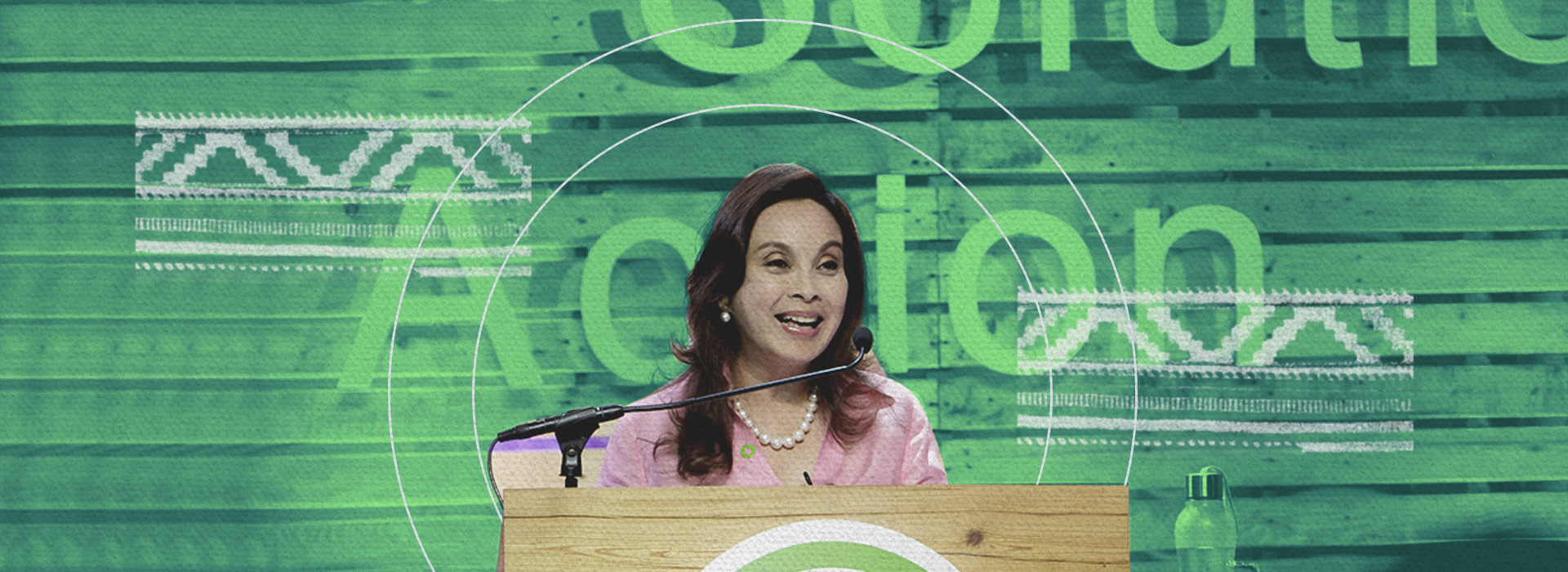
Legarda welcomes UNESCO recognition of three Philippine heritage collections, urges stronger preservation efforts
November 7, 2026Senator Loren Legarda welcomed the inscription of three Philippine documentary heritage collections in the UNESCO Memory of the World Regional Register for Asia and the Pacific, calling the recognition a significant milestone in preserving the country’s history and cultural identity.
The Laguna Copperplate Inscription, the Baybayin Documents in the Archivo de la Universidad de Santo Tomas, and the Ramon Obusan Folkloric Group Audiovisual Archive were inscribed during the 11th General Meeting of the Memory of the World Committee for Asia and the Pacific (MoWCAP) in Jakarta, Indonesia, on November 5.
“These treasures tell the story of who we are as Filipinos. They preserve our history, our writing traditions, and the cultural knowledge passed down through generations. I congratulate the institutions, scholars, and cultural workers whose dedication has helped bring these important collections greater international recognition,” Legarda said.
The Laguna Copperplate Inscription, dated to 900 CE, is the earliest known historical document of the Philippines. Preserved at the National Museum of the Philippines, it offers evidence of early social and economic relations in the region.
The Baybayin Documents, housed at the Archivo de la Universidad de Santo Tomas (UST Archives) in Manila, provide valuable insights into early Filipino writing traditions, land transactions, and social relations during the Spanish colonial period.
Meanwhile, the Ramon Obusan Folkloric Group Audiovisual Archive, maintained by the Ramon Obusan Folkloric Foundation, Inc., documents Philippine traditional dances, rituals, music, and other cultural practices through its collection of audiovisual materials.
Legarda, who chairs the Senate Committee on Culture and the Arts, emphasized that international recognition must be accompanied by sustained efforts to protect documentary heritage and make it accessible for education and research.
“Recognition is an important achievement, but our work does not end here. These records must be carefully preserved, studied, and shared so that more Filipinos can understand the richness of our history. We must also support the institutions and cultural workers who have devoted their lives to safeguarding them,” she said.
A longtime advocate of cultural preservation, Legarda is an Author and Co-sponsor of Republic Act No. 10066, or the National Cultural Heritage Act, which provides for the protection and conservation of the country’s cultural heritage.
She is also an Author and Principal Sponsor of Republic Act No. 11961, or the Cultural Mapping Law, which strengthens heritage conservation through comprehensive cultural mapping and an enhanced cultural heritage education program.
Legarda said the recognition provides an opportunity to strengthen cooperation among cultural institutions, archives, researchers, and government agencies in preserving the country’s documentary heritage.
“Our history deserves to be known and understood by our own people. By protecting these treasures and making their stories accessible, we keep our cultural heritage alive and meaningful in the lives of Filipinos,” she concluded. (30)
– – – – – – –
Legarda, nagpahayag ng suporta sa pagkilala ng UNESCO sa tatlong makasaysayang koleksyon ng Pilipinas
Nagpahayag ng pagbati si Senador Loren Legarda kasunod ng pagkakasama ng tatlong koleksyon ng makasaysayang dokumento at tala ng Pilipinas sa UNESCO Memory of the World Regional Register for Asia and the Pacific. Binigyang-diin ng senadora na ang pagkilalang ito ay isang mahalagang tagumpay sa pangangalaga ng kasaysayan, kultura, at pagkakakilanlang Pilipino.
Opisyal na kinilala ang Laguna Copperplate Inscription, ang Baybayin Documents na nasa Archivo de la Universidad de Santo Tomas, at ang Ramon Obusan Folkloric Group Audiovisual Archive sa ika-11 General Meeting ng Memory of the World Committee for Asia and the Pacific (MoWCAP) na ginanap sa Jakarta, Indonesia, noong Nobyembre 5.
“These treasures tell the story of who we are as Filipinos. They preserve our history, our writing traditions, and the cultural knowledge passed down through generations. I congratulate the institutions, scholars, and cultural workers whose dedication has helped bring these important collections greater international recognition,” pahayag ni Legarda.
Ang Laguna Copperplate Inscription, na may petsang taong 900 CE, ang pinakamatandang kilalang makasaysayang dokumento ng Pilipinas. Iniingatan ito sa National Museum of the Philippines at nagsisilbing patunay ng mga ugnayang panlipunan at pangkabuhayan sa rehiyon noong sinaunang panahon.
Samantala, ang Baybayin Documents na nasa Archivo de la Universidad de Santo Tomas (UST Archives) sa Maynila ay nagbibigay ng mahahalagang impormasyon tungkol sa sinaunang sistema ng pagsulat ng mga Pilipino, mga transaksyon sa lupa, at ugnayang panlipunan noong panahon ng pananakop ng Espanya.
Ang Ramon Obusan Folkloric Group Audiovisual Archive naman, na pinangangalagaan ng Ramon Obusan Folkloric Foundation, Inc., ay naglalaman ng mga audiovisual record ng mga tradisyonal na sayaw, ritwal, musika, at iba pang kaugaliang pangkultura ng mga Pilipino.
Binigyang-diin ni Legarda, na Chairperson ng Senate Committee on Culture and the Arts, na hindi dapat matapos sa pagkilala ng UNESCO ang mga pagsisikap na pangalagaan ang mahahalagang dokumento at tala ng bansa. Aniya, kailangan ding tiyaking mapapanatili ang mga ito at magagamit sa edukasyon at pananaliksik.
“Recognition is an important achievement, but our work does not end here. These records must be carefully preserved, studied, and shared so that more Filipinos can understand the richness of our history. We must also support the institutions and cultural workers who have devoted their lives to safeguarding them,” ani Legarda.
Matagal nang isinusulong ng senadora ang pangangalaga sa kasaysayan at kulturang Pilipino. Kabilang sa mga batas na kanyang isinulong bilang Author at Co-sponsor ang Republic Act No. 10066 o National Cultural Heritage Act, na nagtatakda ng mga hakbang para sa proteksyon at konserbasyon ng mga pamanang pangkultura ng bansa.
Si Legarda rin ang Author at Principal Sponsor ng Republic Act No. 11961 o Cultural Mapping Law, na nagpapatibay sa pangangalaga ng mga pamanang pangkultura sa pamamagitan ng mas malawak na cultural mapping at pagpapahusay ng edukasyon tungkol sa kasaysayan at kultura ng bansa.
Ayon sa senadora, pagkakataon din ang pagkilalang ito upang palakasin ang pagtutulungan ng mga institusyong pangkultura, archive, mananaliksik, at mga ahensya ng pamahalaan sa pangangalaga ng mga makasaysayang dokumento at tala ng Pilipinas.
“Our history deserves to be known and understood by our own people. By protecting these treasures and making their stories accessible, we keep our cultural heritage alive and meaningful in the lives of Filipinos,” pagtatapos ni Legarda. (30)