
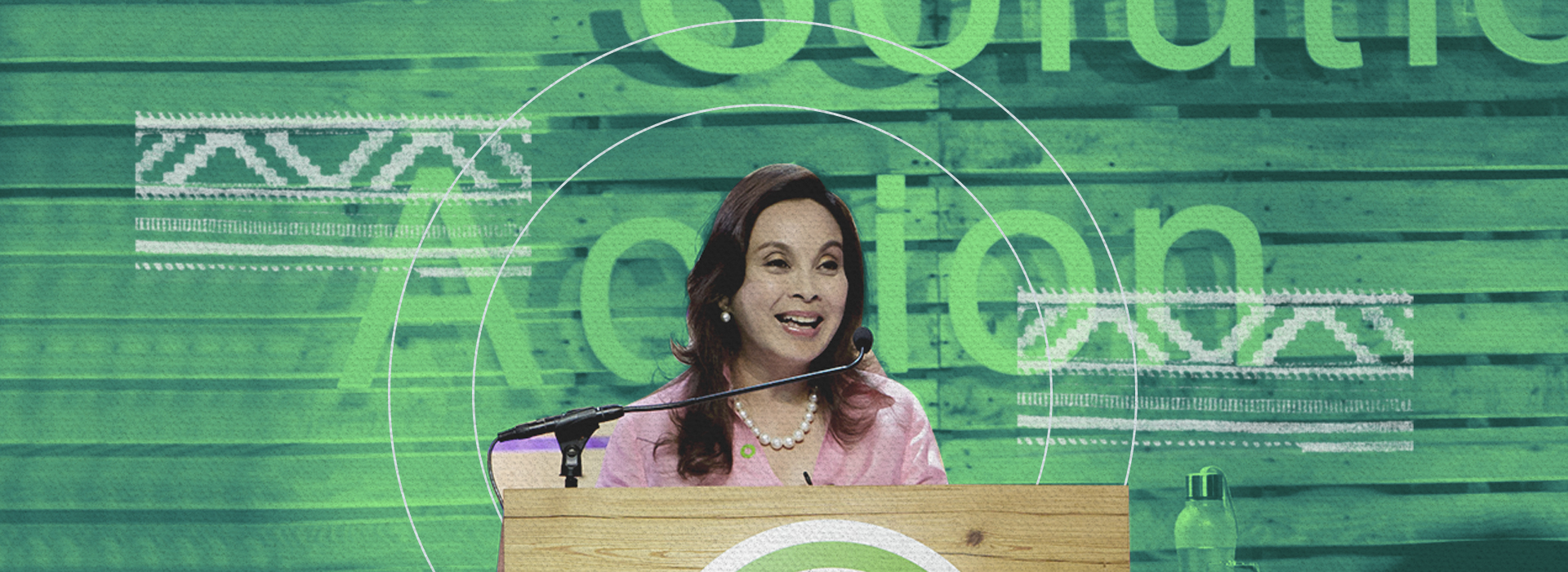
Legarda steers education reform measures to strengthen CHED, TESDA, SUCs, LUCs, and scholarships
April 27, 2026Senator Loren Legarda, Chairperson of the Senate Committee on Higher, Technical and Vocational Education and Co-Chair of the Second Congressional Commission on Education (EDCOM II), presided over the public hearing on six priority bills aimed at modernizing governance in higher and technical education, strengthening professional standards and quality assurance, and expanding scholarship opportunities for Filipino students on April 23, 2026.
The committee agenda covered the Strengthening of the Commission on Higher Education (CHED) Charter (SB Nos. 1036 and 1427), the Technical Education and Skills Development Authority (TESDA) Modernization Act (SB Nos. 1413 and 1449), the Local Universities and Colleges (LUCs) Governance Act (SB Nos. 504, 623, 1402, and 1415), the Presidential Merit Scholarship Program Act (SB Nos. 1913, 1954 and HB No. 8477), the Strengthening State Universities and Colleges (SUCs) Governance Act (SB Nos. 706 and 1414), and the Philippine Professional Standards and Quality Assurance System Act (SB No. 1426).
Legarda underscored that reforms are long overdue, noting that the charters of CHED and TESDA were enacted more than three decades ago.
“The fundamental problem is institutional. CHED’s legal mandate has not kept pace with the sector’s growth, diversification, or the policy commitments the Philippine government has made in subsequent decades,” Legarda said.
EDCOM II presented findings that highlighted structural challenges in local universities and colleges (LUCs), including disparities in faculty pay and a lack of compliance with CHED recognition. The Commission noted that poorer local government units struggle to recruit qualified faculty due to lower salary grades, perpetuating a cycle of poor-quality education.
The proposed reforms also include differentiated autonomy for SUCs based on performance, mandatory certification for governing board members, and the establishment of a Philippine Higher Education Leadership Academy to strengthen succession planning. For TESDA, the modernization act seeks to replace its board with a board of advisers, expand its Secretariat to cover enterprise-based and community skills development, and mandate impact evaluation for scholarship programs.
Meanwhile, the Professional Standards and Quality Assurance System Act aims to harmonize overlapping mandates among CHED, TESDA, and the Professional Regulation Commission, addressing outdated professional laws that restrict curriculum updates.
Legarda closed the hearing by affirming the committee’s commitment to refine the proposed reforms through technical working groups.
By anchoring the reforms on governance, accountability, and access, Legarda highlighted that education remains central to national development, ensuring that Filipino learners, especially those from poor families, can pursue quality education and secure better opportunities for the future. (30)
Legarda pinamunuan ang paglalatag ng mga reporma sa edukasyon upang palakasin ang CHED, TESDA, SUCs, LUCs, at mga scholarship
Pinamunuan ni Senadora Loren Legarda, Chairperson ng Senate Committee on Higher, Technical and Vocational Education at Co-Chair ng Second Congressional Commission on Education (EDCOM II), ang pampublikong pagdinig noong Abril 23, 2026 hinggil sa anim na pangunahing panukalang batas na naglalayong i-modernisa ang pamamahala sa mas mataas at teknikal na edukasyon, palakasin ang pamantayang propesyonal at quality assurance, at palawakin ang mga oportunidad sa scholarship para sa mga estudyanteng Pilipino.
Tinalakay sa komite ang Strengthening of the Commission on Higher Education (CHED) Charter (SB Blg. 1036 at 1427), ang Technical Education and Skills Development Authority (TESDA) Modernization Act (SB Blg. 1413 at 1449), ang Local Universities and Colleges (LUCs) Governance Act (SB Blg. 504, 623, 1402, at 1415), ang Presidential Merit Scholarship Program Act (SB Blg. 1913, 1954 at HB Blg. 8477), ang Strengthening State Universities and Colleges (SUCs) Governance Act (SB Blg. 706 at 1414), at ang Philippine Professional Standards and Quality Assurance System Act (SB Blg. 1426).
Binigyang-diin ni Legarda na matagal nang dapat naisakatuparan ang mga reporma, sapagkat ang mga charter ng CHED at TESDA ay ipinasa mahigit tatlong dekada na ang nakalilipas.
“Ang pangunahing problema ay institusyonal. Hindi nakasabay ang legal na mandato ng CHED sa paglago, pagdami, at sa mga polisiya na ipinangako ng pamahalaan sa mga sumunod na dekada,” ani Legarda.
Ipinrisinta ng EDCOM II ang mga natuklasan hinggil sa mga suliraning pang-istruktura sa mga lokal na pamantasan at kolehiyo (LUCs), kabilang ang hindi pantay na sahod ng mga guro at kakulangan sa pagsunod sa rekognisyon ng CHED. Binanggit ng Komisyon na nahihirapan ang mga mahihirap na lokal na pamahalaan na makakuha ng kwalipikadong guro dahil sa mababang salary grade, na nagdudulot ng tuloy-tuloy na mababang kalidad ng edukasyon.
Kasama sa mga mungkahing reporma ang pagbibigay ng differentiated autonomy sa SUCs batay sa performance, mandatory certification para sa mga miyembro ng governing board, at pagtatatag ng Philippine Higher Education Leadership Academy upang palakasin ang succession planning. Para sa TESDA, layon ng modernization act na palitan ang board nito ng board of advisers, palawakin ang Secretariat upang masaklaw ang enterprise-based at community skills development, at gawing mandatory ang impact evaluation para sa mga scholarship program.
Samantala, layon ng Professional Standards and Quality Assurance System Act na pag-isahin ang magkakapatong na mandato ng CHED, TESDA, at Professional Regulation Commission, upang tugunan ang mga lumang batas na propesyonal na pumipigil sa pag-update ng kurikulum.
Tinapos ni Legarda ang pagdinig sa pamamagitan ng pagtitiyak na patuloy na pag-aaralan at pagpeperpektuhin ang mga panukalang reporma sa pamamagitan ng technical working groups.
Sa pagbibigay-diin sa pamamahala, pananagutan, at akses, binigyang-halaga ni Legarda na nananatiling sentro ng pambansang kaunlaran ang edukasyon, upang matiyak na ang mga mag-aaral na Pilipino, lalo na mula sa mahihirap na pamilya, ay makapagtamo ng dekalidad na edukasyon at mas maganda pang mga oportunidad sa hinaharap. (30)