
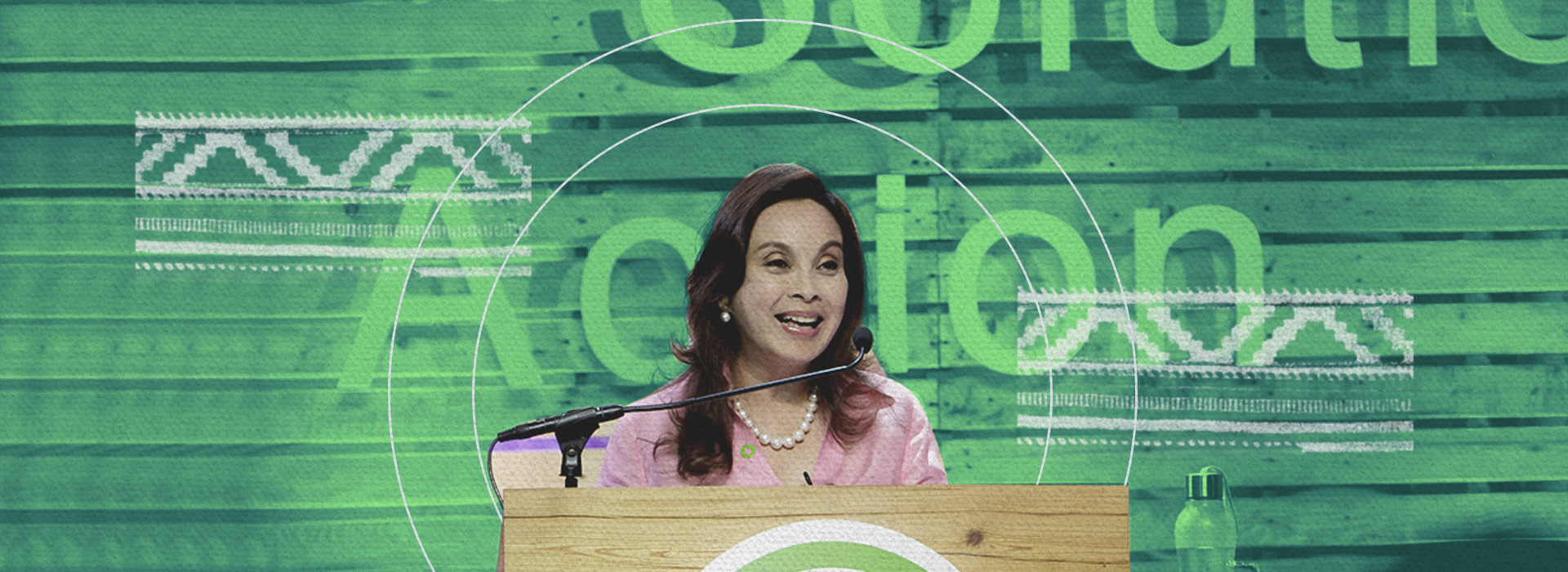
Legarda pushes stronger recognition of Indigenous voices as Solidaridad V bridges living traditions and Philippine publishing
October 31, 2026The stories of Indigenous communities must remain rooted in the voices and experiences of the people who carry them, Senator Loren Legarda emphasized, as Solidaridad Literary Series V brought Hanunuo Mangyan cultural bearers and twelve emerging publishing professionals together in Manila to explore how living traditions can be preserved and shared with wider audiences.
Held on October 30 at Solidaridad Bookshop, Ambahan, Ambagan: Isang Pagtataguyod ng Kalinangang Katutubo marked Indigenous Peoples’ Month and the graduation of fellows of the Book Institute of the Philippines (BIP). Organized by the National Book Development Board (NBDB), Solidaridad Bookshop, and the Office of Senator Loren Legarda, the gathering connected Indigenous literary traditions with the development of Philippine publishing.
“Our Indigenous communities have been telling their stories long before these stories found their way into books. Their songs, languages, and traditions carry knowledge passed down through generations. As we bring these works to more readers, we must respect the people who have kept them alive and give them a voice in how their stories are told,” Legarda said.
At the heart of the gathering was the ambahan, a traditional poetic expression of the Hanunuo Mangyan of Mindoro. Restituto Reyes Pitogo of the Mangyan Heritage Center, drawing on four decades of research, discussed how its seven-syllable verses convey experiences of family, hardship, dignity, and community life. Hanunuo Mangyan cultural bearers Uyan Daay and Romy Daay performed several chants.
Pitogo explained that understanding the ambahan requires more than interpreting its words and metaphors. His research led him to engage directly with Mangyan communities to understand the cultural context of their verses. He also delivered his lecture in Filipino so the cultural bearers could participate, emphasizing that “sila yung bida dito.”
One chant used the image of lagak, a wild plant removed from cultivated land, to convey historical experiences of exclusion and displacement. Pitogo explained that its message called for dignity rather than revenge, capturing the assertion, “Kami ay marangal.” Other verses reflected parental care, separation from family, and the importance of maintaining relationships.
The discussion reflected a principle behind Legarda’s work as Chairperson of the Senate Committee on Culture and the Arts: Indigenous communities must participate in preserving and interpreting their own heritage.
Republic Act No. 11961, authored and principally sponsored by Legarda, strengthens cultural mapping and heritage education while recognizing the right of Indigenous communities to conduct their own cultural mapping and decide whether their cultural maps should be included in the Philippine Registry of Heritage. The law amended Republic Act No. 10066, or the National Cultural Heritage Act of 2009, which Legarda also authored and co-sponsored.
“Documentation is important, but these are not simply materials to be collected, studied, or displayed. They are part of people’s lives and identities. We have to listen to the communities, respect their decisions, and make sure they retain their rights over the knowledge and traditions they share,” Legarda said.
The fellows also witnessed Romy Daay demonstrate traditional Mangyan writing on bamboo, inscribing the name “Solidaridad.” The demonstration offered a closer encounter with Indigenous writing practices as the participants completed their publishing fellowship.
The twelve BIP fellows completed training in publishing, covering editorial and production processes, rights and licensing, marketing, and reader engagement. NBDB Director Carol Tapia described their graduation as the beginning of a new chapter in their publishing careers, expressing hope that the training would give them greater confidence and a deeper understanding of the industry.
Their training also reflects the broader objectives of Republic Act No. 11904, or the Philippine Creative Industries Development Act, which Legarda authored. The law recognizes publishing as a creative industry and provides for skills development and capacity-building to strengthen opportunities for Filipino writers and publishing professionals.
“There are still many Filipino stories that deserve to be heard. I hope these young publishers will help bring more of them to readers, especially works from communities whose languages and traditions are not always represented in our books. But we must do this with care. The people behind these stories should be recognized, respected, and involved in how their work is shared,” Legarda said.
Solidaridad Literary Series V connected the preservation of living Indigenous traditions with the development of publishing professionals who can help more Filipino stories reach readers while respecting the communities behind them.
– – – – – – – – – –
Legarda, nanawagan ng higit na pagkilala sa tinig ng mga katutubo sa Solidaridad Literary Series V
Dapat manatiling nakaugat sa sariling karanasan at pananaw ng mga katutubo ang mga kuwentong nagmumula sa kanilang pamayanan. Ito ang binigyang-diin ni Senadora Loren Legarda sa pagdaraos ng Solidaridad Literary Series V, na nagsama-sama sa mga tagapagtaguyod ng kulturang Hanunuo Mangyan at labindalawang bagong propesyonal sa larangan ng paglalathala upang talakayin ang pangangalaga sa mga katutubong tradisyon at pagpapakilala ng mga ito sa mas maraming mambabasa.
Idinaos noong Oktubre 30 sa Solidaridad Bookshop sa Maynila ang Ambahan, Ambagan: Isang Pagtataguyod ng Kalinangang Katutubo, bilang bahagi ng pagdiriwang ng Indigenous Peoples’ Month at pagtatapos ng mga fellow ng Book Institute of the Philippines (BIP). Pinangunahan ito ng National Book Development Board (NBDB), Solidaridad Bookshop, at Tanggapan ni Senadora Loren Legarda upang pag-ugnayin ang mayamang tradisyong pampanitikan ng mga katutubo at ang pagpapaunlad ng industriya ng paglalathala sa Pilipinas.
“Our Indigenous communities have been telling their stories long before these stories found their way into books. Their songs, languages, and traditions carry knowledge passed down through generations. As we bring these works to more readers, we must respect the people who have kept them alive and give them a voice in how their stories are told,” ani Legarda.
Sentro ng pagtitipon ang *ambahan*, isang tradisyunal na anyo ng tula ng mga Hanunuo Mangyan sa Mindoro. Ibinahagi ni Restituto Reyes Pitogo ng Mangyan Heritage Center, na apat na dekada nang nagsasaliksik tungkol dito, kung paano naipapahayag sa mga tulang may pitong pantig sa bawat taludtod ang mga karanasan tungkol sa pamilya, pagsubok sa buhay, dignidad, at ugnayan sa pamayanan. Nagbigay-buhay naman sa talakayan sina Uyan Daay at Romy Daay, mga tagapagtaguyod ng kulturang Hanunuo Mangyan, sa pamamagitan ng pag-awit ng ilang ambahan.
Ipinaliwanag ni Pitogo na hindi sapat ang basta pagsasalin o pagpapakahulugan sa mga salita at talinghaga ng ambahan. Kinailangang makisalamuha siya mismo sa mga pamayanang Mangyan upang higit na maunawaan ang pinagmulan at kahulugan ng kanilang mga tula. Pinili rin niyang gamitin ang wikang Filipino sa kaniyang talakayan upang makalahok ang mga katutubong panauhin, na aniya ay siyang tunay na sentro ng pagtitipon.
“Sila yung bida dito,” ani Pitogo.
Isa sa mga ambahang itinampok ang gumamit sa *lagak*, isang ligaw na halamang inaalis sa lupang sinasaka, bilang talinghaga ng karanasan ng mga katutubo sa pagbubukod at pagpapaalis sa kanilang mga lupain. Ayon kay Pitogo, hindi paghihiganti ang mensahe ng tula, kundi ang paggiit sa kanilang dignidad bilang tao.
“Kami ay marangal,” ang diwang binigyang-diin niya mula sa ambahan.
May iba pang mga tulang tumalakay sa pagmamahal ng mga magulang, pagkakalayo sa pamilya, at pagpapahalaga sa ugnayan ng mga tao sa loob ng pamayanan.
Kaugnay nito, muling binigyang-diin ni Legarda, bilang Chairperson ng Senate Committee on Culture and the Arts, na dapat aktibong nakikilahok ang mga katutubong pamayanan sa pangangalaga, pagtatala, at pagpapakahulugan sa sarili nilang pamanang kultural.
Isinulong niya bilang principal sponsor at author ang Republic Act No. 11961 upang palakasin ang cultural mapping at heritage education sa bansa. Kinikilala rin ng batas ang karapatan ng mga katutubong pamayanan na magsagawa ng sariling cultural mapping at magpasya kung isasama ang kanilang mga cultural map sa Philippine Registry of Heritage.
Inamyendahan ng batas ang Republic Act No. 10066 o National Cultural Heritage Act of 2009, na kabilang din sa mga batas na isinulong ni Legarda bilang author at co-sponsor.
“Documentation is important, but these are not simply materials to be collected, studied, or displayed. They are part of people’s lives and identities. We have to listen to the communities, respect their decisions, and make sure they retain their rights over the knowledge and traditions they share,” ani Legarda.
Nasaksihan din ng mga dumalo ang pagpapakita ni Romy Daay ng tradisyunal na paraan ng pagsulat ng mga Mangyan sa kawayan, kung saan kaniyang iniukit ang salitang “Solidaridad.” Naging pagkakataon ito para sa mga BIP fellow na makita mismo ang isang katutubong sistema ng pagsulat at higit na maunawaan ang kahalagahan ng pangangalaga rito.
Samantala, nagtapos ang labindalawang BIP fellow matapos sumailalim sa pagsasanay sa iba’t ibang bahagi ng paglalathala, kabilang ang pag-eedit at produksiyon ng mga aklat, karapatan at paglilisensiya, marketing, at pakikipag-ugnayan sa mga mambabasa.
Ayon kay NBDB Director Carol Tapia, simula pa lamang ng panibagong yugto sa kanilang propesyon ang pagtatapos sa programa. Umaasa siyang ang mga kaalamang nakuha nila ay magbibigay ng higit na kumpiyansa at mas malalim na pag-unawa sa industriya ng paglalathala.
Kaakibat ng ganitong pagsasanay ang layunin ng Republic Act No. 11904 o Philippine Creative Industries Development Act, na isinulong din ni Legarda bilang author. Kinikilala ng batas ang paglalathala bilang bahagi ng malikhaing industriya at itinataguyod ang pagpapaunlad ng kakayahan at kasanayan upang mapalawak ang oportunidad para sa mga Pilipinong manunulat at propesyonal sa publishing.
“There are still many Filipino stories that deserve to be heard. I hope these young publishers will help bring more of them to readers, especially works from communities whose languages and traditions are not always represented in our books. But we must do this with care. The people behind these stories should be recognized, respected, and involved in how their work is shared,” ani Legarda.
Sa pagtatapos ng Solidaridad Literary Series V, naging malinaw ang ugnayan ng pangangalaga sa buhay na tradisyon ng mga katutubo at ng paghubog sa mga bagong propesyonal sa paglalathala. Habang binibigyan ng pagkakataong makarating sa mas maraming mambabasa ang mga kuwentong Pilipino, dapat manatiling kinikilala at iginagalang ang mga pamayanang pinagmumulan ng mga ito.