
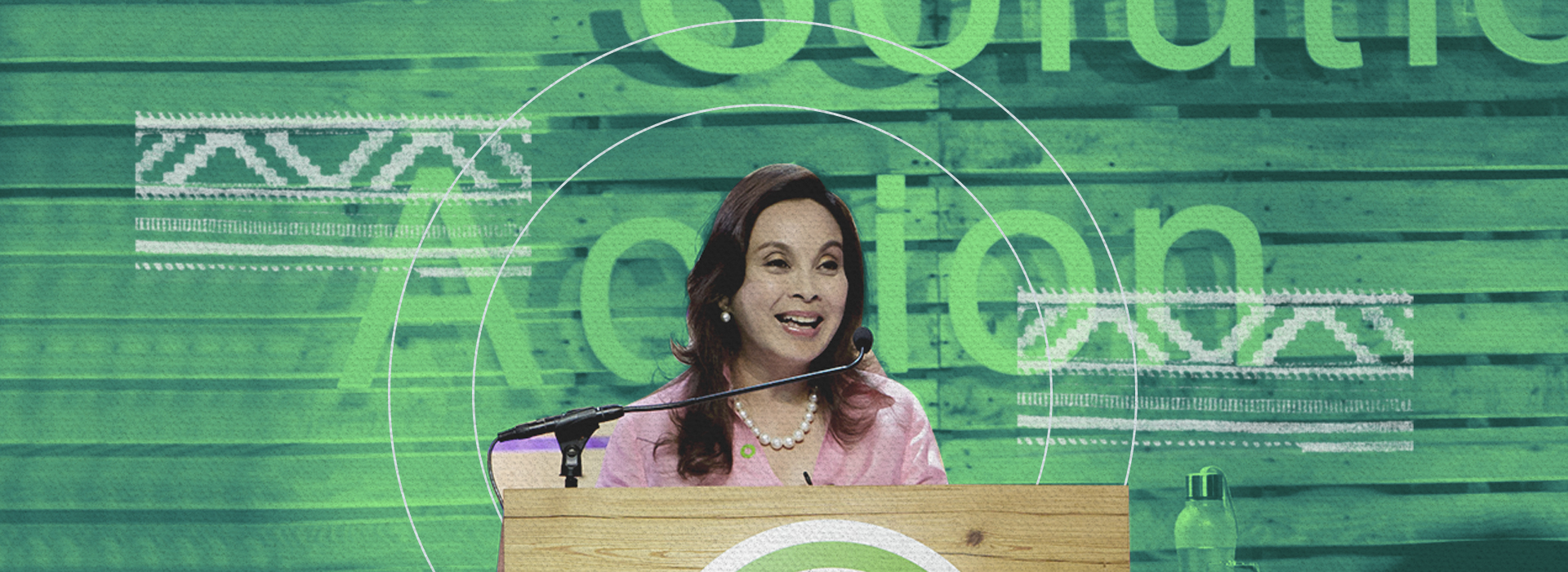
Legarda: Protect journalists, defend every Filipino’s right to the truth
August 28, 2026As the country marks National Press Freedom Day on August 30, Senator Loren Legarda called for stronger protection for journalists and media workers, stressing that a free and secure press is essential to the public’s right to truthful, timely, and reliable information.
⠀
In the 2026 World Press Freedom Index of Reporters Without Borders (RSF), the Philippines ranked 114th out of 180 countries, an improvement from 116th in 2025. Despite this, RSF continues to describe the Philippines as one of the most dangerous countries in the world for journalists. UNESCO has also recorded cases of journalists killed in the Philippines this year.
⠀
August 30 is observed annually as National Press Freedom Day under Republic Act No. 11699, in honor of Marcelo H. Del Pilar, the father of Philippine journalism. The law also calls for greater awareness of the importance of the press, its rights and responsibilities, and the need to eliminate violence against journalists.
⠀
Legarda, an award-winning broadcast journalist before entering public service, stressed that protecting the press directly protects the Filipino public.
⠀
“When the press can investigate freely and ask difficult questions without fear, Filipinos are better able to know where public funds go, whether laws are being followed, and whether government programs are working. A free press gives citizens the verified information they need to hold institutions and public officials accountable,” Legarda said.
⠀
She said the challenge has become more serious as journalism competes with misinformation, disinformation, fabricated content, misleading headlines, and unverified claims that can reach millions within minutes.
“With the reach and speed of social media, a false statement can spread farther and faster than the truth. That makes credible journalism even more important. Speed does not replace verification, virality does not replace evidence, and repetition does not turn an allegation into a fact,” she stressed.
Legarda said the same discipline should guide public officials and government institutions, whose statements carry authority and can strongly influence public opinion.
“When a government institution speaks, people expect its statements to be based on verified information. Public institutions, therefore, have a responsibility to distinguish an allegation from an established finding and to avoid language that creates a presumption of guilt before the evidence has been properly examined,” Legarda said.
Legarda warned that trial by publicity can damage public trust in institutions and in the media. When accusations are repeatedly circulated without sufficient distinction between allegation and established fact, she said, citizens are left to navigate an information environment where political attacks, speculation, and verified reporting can easily become blurred.
“The public deserves to know what has been verified, what remains an allegation, and what evidence actually exists. Journalism serves the people when those distinctions are maintained. Government institutions should exercise the same care in the information they release,” she said.
Legarda also renewed her push for stronger labor protection for media workers through Senate Bill No. 807, or the proposed Media Workers Welfare Act. The measure seeks to improve the working conditions, security, and benefits of media workers.
She stressed that the ability of journalists to perform their public role is closely linked to their working conditions. Many media workers face contractual employment, inadequate social protection, long working hours, and dangerous assignments during disasters, conflicts, accidents, and emergencies.
“A reporter covering a typhoon, an armed conflict, a fire, or a disaster performs work that directly serves the public. That reporter is also a worker with a family to support and a life that deserves protection. We cannot expect journalists to remain on the frontlines while ignoring the risks they face in doing their jobs,” Legarda said.
She added that provincial and community journalists deserve greater attention because they often report on issues that directly affect ordinary Filipinos and communities far from the national spotlight.
“The provincial reporter investigating a local anomaly, the radio journalist reporting from a remote municipality, the photographer documenting a disaster, and the community journalist giving voice to people who are rarely heard should be able to work safely and with dignity,” she said.
Legarda emphasized that press freedom carries a corresponding responsibility to uphold accuracy, fairness, and verification. Journalists must remain free to investigate those in power, while public officials and institutions must ensure that the information they release is supported by facts and evidence.
“Protecting press freedom means protecting journalists who pursue the truth even when it is difficult or inconvenient. Let us protect the journalist who seeks the truth, protect the citizen who deserves the truth, and protect our institutions from being used to distort the truth,” Legarda concluded. (30)
—————————————————————————
Legarda: Protektahan ang mga mamamahayag, ipagtanggol ang karapatan ng bawat Pilipino sa katotohanan
Sa pagdiriwang ng bansa ng National Press Freedom Day sa Agosto 30, nanawagan si Senador Loren Legarda ng mas matibay na proteksyon para sa mga mamamahayag at media workers, at binigyang-diin na mahalaga ang malaya at ligtas na pamamahayag upang matiyak ang karapatan ng publiko sa tama, napapanahon, at mapagkakatiwalaang impormasyon.
Sa 2026 World Press Freedom Index ng Reporters Without Borders (RSF), nasa ika-114 na puwesto ang Pilipinas sa 180 bansa, mas mataas kumpara sa ika-116 na puwesto noong 2025. Gayunman, patuloy na itinuturing ng RSF ang Pilipinas bilang isa sa mga pinakamapanganib na bansa sa mundo para sa mga mamamahayag. Nakapagtala rin ang UNESCO ng mga kaso ng mga mamamahayag na napatay sa Pilipinas ngayong taon.
Taun-taong ginugunita ang Agosto 30 bilang National Press Freedom Day sa ilalim ng Republic Act No. 11699, bilang parangal kay Marcelo H. Del Pilar, ang ama ng pamamahayag sa Pilipinas. Itinataguyod din ng batas ang mas malawak na kamalayan tungkol sa kahalagahan ng pamamahayag, mga karapatan at responsibilidad nito, at ang pangangailangang wakasan ang karahasan laban sa mga mamamahayag.
Si Legarda, na isang award-winning broadcast journalist bago pumasok sa serbisyo publiko, ay nagbigay-diin na ang pagprotekta sa pamamahayag ay tuwirang pagprotekta rin sa sambayanang Pilipino.
“When the press can investigate freely and ask difficult questions without fear, Filipinos are better able to know where public funds go, whether laws are being followed, and whether government programs are working. A free press gives citizens the verified information they need to hold institutions and public officials accountable,” pahayag ni Legarda.
Aniya, mas naging seryoso ang hamon habang kailangang makipagsabayan ng pamamahayag sa misinformation, disinformation, gawa-gawang content, mapanlinlang na mga headline, at mga hindi beripikadong pahayag na maaaring umabot sa milyon-milyong tao sa loob lamang ng ilang minuto.
“With the reach and speed of social media, a false statement can spread farther and faster than the truth. That makes credible journalism even more important. Speed does not replace verification, virality does not replace evidence, and repetition does not turn an allegation into a fact,” diin niya.
Ayon kay Legarda, dapat ding pairalin ng mga opisyal at institusyon ng pamahalaan ang parehong disiplina, dahil may bigat ang kanilang mga pahayag at malaki ang maaaring maging impluwensya ng mga ito sa pananaw ng publiko.
“When a government institution speaks, people expect its statements to be based on verified information. Public institutions, therefore, have a responsibility to distinguish an allegation from an established finding and to avoid language that creates a presumption of guilt before the evidence has been properly examined,” pahayag ni Legarda.
Nagbabala rin si Legarda na maaaring makasira sa tiwala ng publiko sa mga institusyon at sa media ang trial by publicity. Aniya, kapag paulit-ulit na ipinapakalat ang mga akusasyon nang hindi malinaw kung alin ang alegasyon at alin ang napatunayang katotohanan, nagiging mahirap para sa publiko na pag-ibahin ang pampulitikang pag-atake, haka-haka, at beripikadong pagbabalita.
“The public deserves to know what has been verified, what remains an allegation, and what evidence actually exists. Journalism serves the people when those distinctions are maintained. Government institutions should exercise the same care in the information they release,” aniya.
Muli ring isinulong ni Legarda ang mas matibay na proteksyon sa paggawa para sa mga media worker sa pamamagitan ng Senate Bill No. 807, o ang panukalang Media Workers Welfare Act. Layunin ng panukala na mapabuti ang kanilang kalagayan sa trabaho, seguridad, at mga benepisyo.
Binigyang-diin niya na may malaking kaugnayan ang kalagayan sa trabaho ng mga mamamahayag sa kanilang kakayahang gampanan ang tungkulin nila sa publiko. Maraming media workers ang nahaharap sa contractual employment, kakulangan sa social protection, mahabang oras ng trabaho, at mapanganib na mga assignment sa panahon ng kalamidad, sigalot, aksidente, at emergency.
“A reporter covering a typhoon, an armed conflict, a fire, or a disaster performs work that directly serves the public. That reporter is also a worker with a family to support and a life that deserves protection. We cannot expect journalists to remain on the frontlines while ignoring the risks they face in doing their jobs,” pahayag ni Legarda.
Dagdag niya, dapat ding mabigyan ng higit na pansin ang mga mamamahayag sa mga probinsya at komunidad dahil madalas nilang iniuulat ang mga isyung direktang nakaaapekto sa karaniwang Pilipino at sa mga komunidad na malayo sa pambansang atensyon.
“The provincial reporter investigating a local anomaly, the radio journalist reporting from a remote municipality, the photographer documenting a disaster, and the community journalist giving voice to people who are rarely heard should be able to work safely and with dignity,” aniya.
Binigyang-diin ni Legarda na kaakibat ng kalayaan sa pamamahayag ang responsibilidad na panatilihin ang katumpakan, pagiging patas, at masusing beripikasyon. Dapat manatiling malaya ang mga mamamahayag na magsiyasat sa mga nasa kapangyarihan, habang dapat tiyakin naman ng mga opisyal at institusyon ng pamahalaan na nakabatay sa katotohanan at ebidensya ang impormasyong kanilang inilalabas.
“Protecting press freedom means protecting journalists who pursue the truth even when it is difficult or inconvenient. Let us protect the journalist who seeks the truth, protect the citizen who deserves the truth, and protect our institutions from being used to distort the truth,” pagtatapos ni Legarda. (30)