
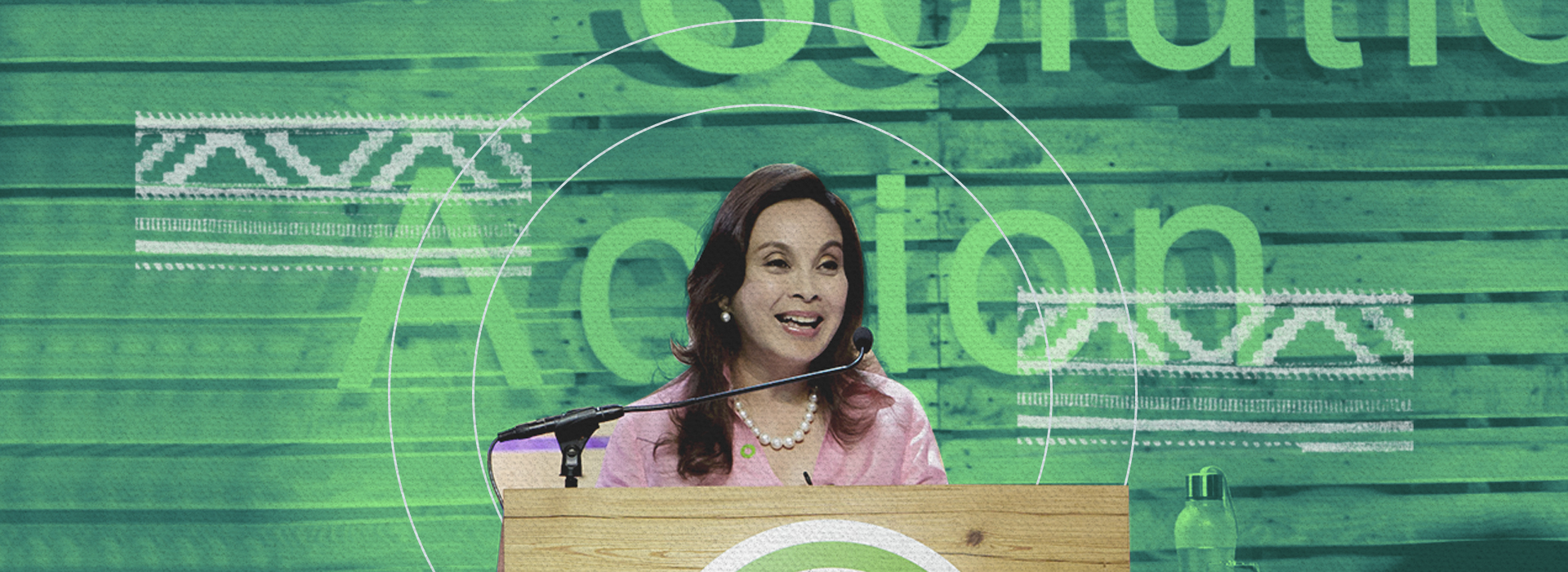
Legarda: Protect Filipino culture while building a stronger creative economy
September 2, 2026Senator Loren Legarda called for stronger protection and investment in Filipino culture and creativity as the country observes Philippine Creative Industries Month this September, stressing that the growth of the creative economy must translate into better opportunities, sustainable livelihoods, and wider markets for Filipino artists, artisans, cultural workers, and creative entrepreneurs.
This year’s celebration carries the theme “We Are a Creative Nation.” Philippine Creative Industries Month is observed every September pursuant to Republic Act No. 11904, or the Philippine Creative Industries Development Act, which Legarda authored. The law promotes the development of Philippine creative industries and recognizes their contribution to nation-building and socioeconomic development.
“Filipino creativity is more than talent to be admired. Para sa marami nating kababayan, ito ay trabaho at kabuhayan. Our responsibility is to make sure that the people behind our music, films, crafts, designs, stories, food, and traditions are given the support and opportunities they deserve,” Legarda said.
Latest data from the Philippine Statistics Authority show that the Philippine creative economy reached ₱2.12 trillion in 2025, growing by 6.9 percent from ₱1.98 trillion in 2024 and accounting for 7.6 percent of the country’s gross domestic product. Creative industries supported 8.71 million jobs, equivalent to 17.8 percent of total employment in the country.
“These figures show how much Filipino creativity already contributes to our economy. Pero ang mahalagang tanong ay kung umabot ba ang paglago ng ekonomiya sa mismong mga taong lumikha. Does the weaver in the province earn enough from her craft? Can a musician make a living from his original composition? Can a filmmaker, designer, artist, or young creative turn talent into a stable career? Can a local artisan find a market beyond his or her community?” Legarda emphasized.
As Chairperson of the Senate Committee on Culture and the Arts, Legarda has consistently pushed to connect cultural preservation with economic opportunity. She initiated the National Arts and Crafts Fair in 2016, creating a national platform where local artisans and cultural communities can showcase their work, reach consumers, and find wider markets.
“Our artisans should not have to choose between preserving their craft and earning a decent living. When we give them access to markets and opportunities, we help keep traditions alive while allowing families and communities to benefit from the skills and knowledge they have carried for generations,” Legarda said.
Legarda has also filed a broad package of cultural measures in the 20th Congress aimed at strengthening the institutions, traditions, and industries behind Filipino creativity. These include Senate Bill No. 817, or the proposed Department of Culture Act; Senate Bill No. 822, or the Philippine Culinary Heritage Act; Senate Bill No. 824, or the Philippine Indigenous Writing Systems Act; Senate Bill No. 826, or the Philippine Music Industry Act; and Senate Bill No. 827, or the Philippine Rondalla Training Program Act.
“A stronger creative economy needs more than recognition. Hindi sapat ang palakpak, paghanga, at parangal kung kulang naman ang suporta para mas maalalayan ito. Our artists and cultural workers need institutions that work, laws that protect them, opportunities to develop their skills, and markets where Filipino creativity can grow and compete,” Legarda stressed.
The measures build on Legarda’s longstanding work to protect Philippine heritage and ensure that traditional knowledge remains part of the country’s living culture. She has also pushed for the institutionalization and strengthening of the Schools of Living Traditions, including through Senate Bill No. 1507, to support the transmission of indigenous knowledge, skills, practices, and cultural expressions within communities.
Culture survives because people continue to live it, teach it, create from it, and pass it on. Kapag wala nang gustong matutong maghabi, tumugtog ng tradisyunal na musika, magsulat, o magpatuloy ng isang lumang kasanayan dahil wala na itong kabuhayang naibibigay, unti-unti rin nating nawawala ang mismong kulturang nais nating protektahan. We cannot build a creative economy by allowing the very traditions and knowledge that give Filipino creativity its identity to disappear,” Legarda said.
The senator added that strengthening the creative sector requires a complete ecosystem where artists and creators can develop their skills, protect their work, secure financing, reach bigger markets, and build sustainable careers and enterprises while preserving the distinctly Filipino character of their work.
“The Filipino has never lacked imagination or talent. What our creatives need are doors that stay open, with access to training, protection, financing, markets, and institutions that believe in their work. Protecting our culture and building a stronger creative economy are part of the same work, creating better opportunities for our people while ensuring that the knowledge, traditions, and skills that make Filipino creativity distinct continue to have a future,” Legarda concluded. (30)