
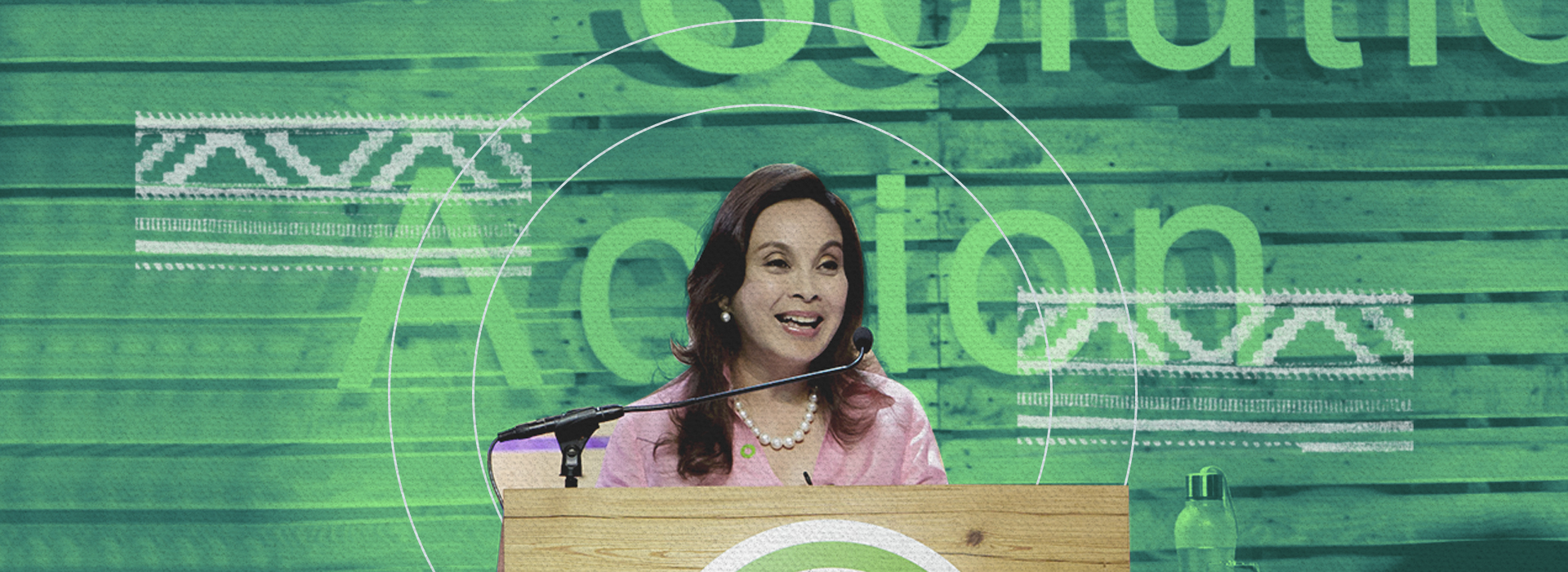
Legarda: Poverty Figures must speak to Filipinos’ Lived Reality
August 24, 2026Senator Loren Legarda said the reported decline in poverty incidence to 9.7% in 2025, from 15.5% in 2023, should challenge government to ensure that official statistics remain meaningful and reflective of the actual conditions faced by Filipino families.
According to the Philippine Statistics Authority (PSA), the number of Filipinos classified as poor declined from 17.54 million in 2023 to 11.08 million in 2025, meaning around 6.46 million Filipinos moved above the official poverty threshold during the period. Around 1.90 million families remained below the poverty line in 2025, while the national poverty threshold for a family of five was placed at approximately ₱14,634 per month.
“The decline is significant, but we also have to ask what these numbers mean in the daily life of a Filipino family. If ₱14,634 is considered enough to meet the basic food and non-food needs of a family of five, government should be able to show clearly what that amount can realistically provide. Sa tantiyang ito, nasa mahigit ₱20 lamang kada tao kada pagkain ang nakalaan: benteng agahan, benteng tanghalian, at benteng hapunan. Sa presyo ngayon, ni hindi ito sapat para sa isang simpleng pagkain sa karinderya. Kaya makatarungan bang sabihing hindi na naghihirap ang isang pamilyang bahagya lamang lumampas sa ganitong antas?” Legarda said.
She stressed that crossing the official poverty line does not necessarily mean a family has achieved economic security.
“Posibleng sabihin ng datos na nakaahon na sa kahirapan ang isang pamilya dahil lumampas na ang kita nila sa poverty threshold. Pero kapag tinanong sila mismo, baka ang sagot nila: ‘Mas mahirap pa ang buhay namin ngayon.’ Kung mas mabilis ang taas ng presyo ng pagkain, pamasahe, kuryente, gamot, at iba pang pangangailangan kaysa sa pag-angat ng kita, hindi sapat na sabihing umangat sila sa papel. Dapat maramdaman din nila ang pag-unlad sa araw-araw na buhay,” Legarda said.
A recent World Bank assessment estimated that 27.7% of Filipinos remain vulnerable to falling into poverty, with many households clustered just above the poverty threshold.
Legarda also noted that the 2025 poverty figures precede the sharper cost pressures being experienced this year. In July 2026, inflation among the bottom 30% of income households reached 8.2%, while food inflation was at 8.5% and rice inflation at 19.3%.
These rising costs are also reflected in a July 2026 OCTA Research survey, where self-rated poverty rose from 35% of families in March to 39% in July, equivalent to about 10.3 million families. Self-rated hunger likewise increased from 17% to 21%, affecting around 5.6 million families. Among families who experienced hunger, 87% said it happened only once or a few times. Legarda said these figures point to a disconnect between improving official poverty statistics and the hardship many Filipino families continue to feel in their daily lives.
“If official poverty has gone down, then we have to ask why more families still say they feel poor and are experiencing hunger. Being above the poverty line should mean being able to afford food, housing, utilities, transport, health, and education, with enough left for emergencies. Our statistics should reflect what families actually experience every day,” Legarda said.
The World Bank has also warned that the present energy price shock could push approximately 2 million Filipinos into poverty without adequate protection, particularly among families with little financial cushion.
Legarda said keeping families out of poverty requires policies that help them keep more of what they earn, protect the livelihoods they depend on, and open up more reliable sources of income. She pointed to the KITA Act (SBN 2255), which seeks to ease the tax burden on workers and adjust tax thresholds to inflation; stronger protection for municipal fisherfolk and their access to municipal waters; the Local Harvest Support Act of 2026 (SBN 2051), which would expand government procurement of locally produced food; and the 4K Act (SBN 2258), which seeks to strengthen livelihood and market opportunities for Indigenous Cultural Communities and Indigenous Peoples.
“Hindi sapat na tulungan ang pamilya kapag naghihirap na sila. Kailangan nating bawasan ang posibilidad na muli silang mahulog sa kahirapan. Mas malaking naiuuwi mula sa sweldo, protektadong hanapbuhay, at siguradong merkado para sa ani at huli, ito ang mga konkretong pananggalang na dapat nating itayo. Sa ganito natin masasabi na ang pagbaba ng kahirapan ay talagang kita at nararanasan ng bawat pamilya,” Legarda concluded. (30)
—————————————————————————-
Legarda: Dapat tumugma ang datos sa kahirapan sa tunay na nararanasan ng mga Pilipino
Ipinahayag ni Senator Loren Legarda na ang iniulat na pagbaba ng poverty incidence sa 9.7% noong 2025 mula 15.5% noong 2023 ay dapat maging hamon sa pamahalaan na tiyaking ang mga opisyal na datos ay tunay na sumasalamin sa kalagayang nararanasan ng mga pamilyang Pilipino.
Ayon sa Philippine Statistics Authority (PSA), bumaba mula 17.54 milyon noong 2023 sa 11.08 milyon noong 2025 ang bilang ng mga Pilipinong itinuturing na mahirap. Ibig sabihin, humigit-kumulang 6.46 milyong Pilipino ang umangat sa opisyal na poverty threshold sa loob ng dalawang taon. Nasa 1.90 milyong pamilya naman ang nanatili sa ilalim ng poverty line noong 2025, habang itinakda sa humigit-kumulang ₱14,634 kada buwan ang national poverty threshold para sa isang pamilyang may limang miyembro.
“The decline is significant, but we also have to ask what these numbers mean in the daily life of a Filipino family. If ₱14,634 is considered enough to meet the basic food and non-food needs of a family of five, government should be able to show clearly what that amount can realistically provide. Sa tantiyang ito, nasa mahigit ₱20 lamang kada tao kada pagkain ang nakalaan: benteng agahan, benteng tanghalian, at benteng hapunan. Sa presyo ngayon, ni hindi ito sapat para sa isang simpleng pagkain sa karinderya. Kaya makatarungan bang sabihing hindi na naghihirap ang isang pamilyang bahagya lamang lumampas sa ganitong antas?” ani Legarda.
Binigyang-diin niya na ang paglagpas sa opisyal na poverty line ay hindi nangangahulugang nakamit na ng isang pamilya ang seguridad sa kanilang kabuhayan.
“Posibleng sabihin ng datos na nakaahon na sa kahirapan ang isang pamilya dahil lumampas na ang kita nila sa poverty threshold. Pero kapag tinanong sila mismo, baka ang sagot nila: ‘Mas mahirap pa ang buhay namin ngayon.’ Kung mas mabilis ang taas ng presyo ng pagkain, pamasahe, kuryente, gamot, at iba pang pangangailangan kaysa sa pag-angat ng kita, hindi sapat na sabihing umangat sila sa papel. Dapat maramdaman din nila ang pag-unlad sa araw-araw na buhay,” ani Legarda.
Sa isang kamakailang pagtataya ng World Bank, tinatayang 27.7% ng mga Pilipino ang nananatiling nanganganib na mahulog sa kahirapan, kung saan marami sa mga pamilya ang bahagya lamang ang kita sa itaas ng poverty threshold.
Binanggit din ni Legarda na ang poverty figures para sa 2025 ay naitala bago pa maramdaman ang mas matinding pagtaas ng mga gastusin ngayong taon. Noong Hulyo 2026, umabot sa 8.2% ang inflation para sa pinakamababang 30% ng mga pamilyang Pilipino batay sa kita, habang umabot sa 8.5% ang food inflation at 19.3% ang rice inflation.
Makikita rin ang bigat ng pagtaas ng presyo sa survey ng OCTA Research noong Hulyo 2026. Mula 35% noong Marso, tumaas sa 39% noong Hulyo ang mga pamilyang nagsabing itinuturing nilang mahirap ang kanilang sarili, katumbas ng humigit-kumulang 10.3 milyong pamilya. Tumaas din mula 17% tungong 21% ang mga pamilyang nakaranas ng gutom, o humigit-kumulang 5.6 milyong pamilya. Sa mga pamilyang nakaranas ng gutom, 87% ang nagsabing nangyari ito nang minsan o ilang beses lamang. Ayon kay Legarda, ipinapakita ng mga bilang na ito ang agwat sa pagitan ng gumagandang opisyal na poverty statistics at ng hirap na patuloy na nararamdaman ng maraming pamilyang Pilipino sa araw-araw.
“If official poverty has gone down, then we have to ask why more families still say they feel poor and are experiencing hunger. Being above the poverty line should mean being able to afford food, housing, utilities, transport, health, and education, with enough left for emergencies. Our statistics should reflect what families actually experience every day,” ani Legarda.
Nagbabala rin ang World Bank na ang kasalukuyang pagtaas ng presyo ng enerhiya ay maaaring magtulak sa humigit-kumulang 2 milyong Pilipino tungo sa kahirapan kung walang sapat na proteksiyon, lalo na sa mga pamilyang kakaunti ang kakayahang pinansyal na sumalo sa dagdag na gastusin.
Ayon kay Legarda, upang hindi mahulog o muling bumalik sa kahirapan ang mga pamilya, kailangan ang mga polisiyang makatutulong upang mas malaki ang maiuwi nila mula sa kanilang kinikita, maprotektahan ang kanilang kabuhayan, at magkaroon sila ng mas maaasahang pagkakakitaan. Kabilang dito ang KITA Act (SBN 2255), na naglalayong pagaanin ang buwis ng mga manggagawa at iayon sa inflation ang tax thresholds; mas matibay na proteksiyon para sa municipal fisherfolk at sa kanilang access sa municipal waters; ang Local Harvest Support Act of 2026 (SBN 2051), na magpapalawak sa pagbili ng pamahalaan ng mga lokal na produktong pagkain; at ang 4K Act (SBN 2258), na naglalayong palakasin ang kabuhayan at mga oportunidad sa merkado para sa Indigenous Cultural Communities at Indigenous Peoples.
“Hindi sapat na tulungan ang pamilya kapag naghihirap na sila. Kailangan nating bawasan ang posibilidad na muli silang mahulog sa kahirapan. Mas malaking naiuuwi mula sa sweldo, protektadong hanapbuhay, at siguradong merkado para sa ani at huli, ito ang mga konkretong pananggalang na dapat nating itayo. Sa ganito natin masasabi na ang pagbaba ng kahirapan ay talagang kita at nararanasan ng bawat pamilya,” pagtatapos ni Legarda.