
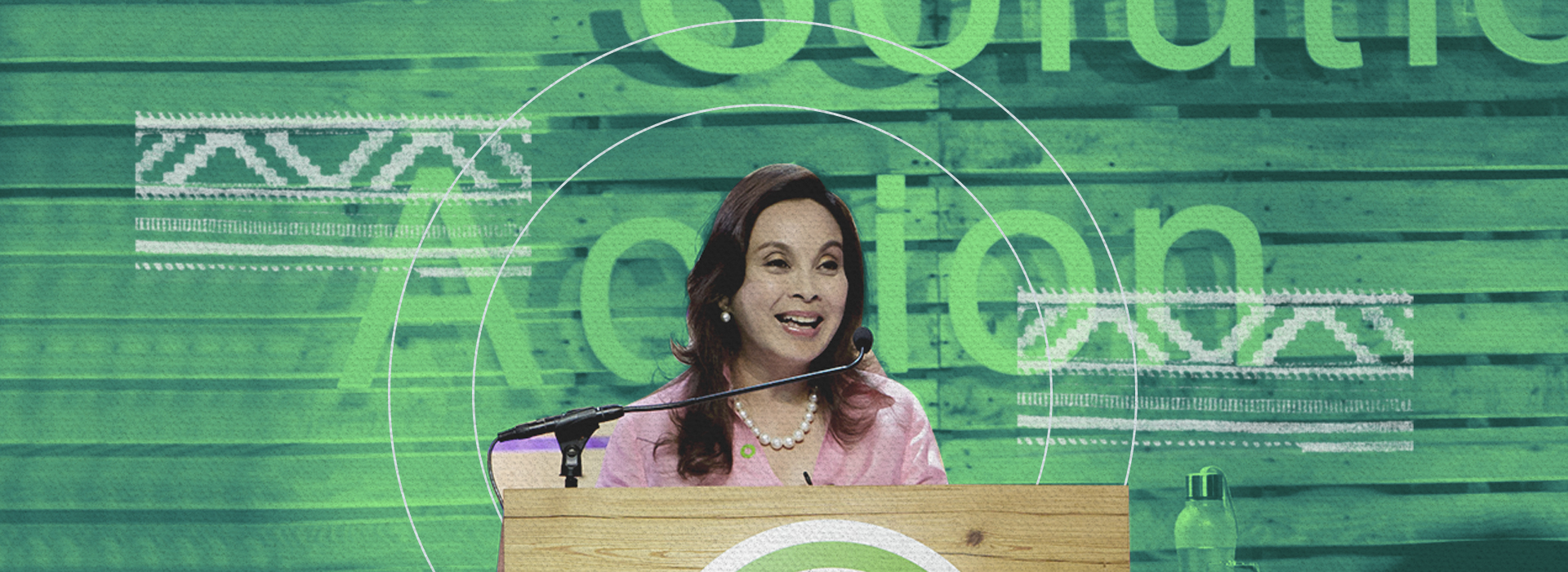
Legarda: Gamitin ang Wikang Filipino nang may dangal, ibahagi nang may pag-asa at pagkakaisa
August 4, 2026Language is the difference between confusion and clarity for every parent guiding a child through schoolwork, every worker reading instructions on the job site, and every family trying to understand health information. Senator Loren Legarda said that when Filipinos use their own language with dignity, they strengthen identity, protect culture, and make knowledge accessible to all.
The nation observes Buwan ng Wika this August 2026 with the theme “Filipino Language and AI: A Tool for Research and a Bridge to the Wealth of Information.” For Legarda, the theme reflects her long-standing mission to preserve native languages while keeping them relevant in modern education and technology.
“Ang ating mga wika ay buhay na pamana. Sa bawat salitang binibigkas, naroon ang kasaysayan ng ating mga ninuno at ang pangarap ng ating mga anak. Sa tulong ng teknolohiya at artificial intelligence, mas nagiging madali ang pag-iingat at pagpapalaganap ng ating mga wika upang manatiling buhay sa digital na panahon,” Legarda said.
The Komisyon sa Wikang Filipino (KWF) recorded around 135 native languages in the Philippines, several of which the Defenders of the Indigenous Languages of the Archipelago (DILA) has identified as endangered. Legarda has long warned that without active promotion, many of these languages could disappear. Her cultural docu-series “Usapang Wika,” produced with the National Commission for Culture and the Arts (NCCA), featured ten major Philippine languages: Ilokano, Cebuano, Hiligaynon, Kinaray-a, Waray, Pangasinan, Kapampangan, Tagalog, Bicolano, and Meranaw, tracing their history, literature, and evolution.
The four-term senator has likewise pushed for reforms in education, supporting the Mother Tongue-Based Multilingual Education (MTB-MLE) program and the KWF’s Atlas ng mga Wika ng Filipinas.
Legarda also supported the Bantayog ng Wika project, a nationwide KWF initiative that identifies the areas where the country’s native languages originated and installs monuments in their honor. Each marker, designed by installation artist Luis “Junyee” Yee Jr., bears lines from Andres Bonifacio’s “Pag-ibig sa Tinubuang Lupa” written in Baybayin, a physical reminder that a distinct language lives in that community and deserves to be spoken, documented, and passed on.
The first marker was installed in her home province of Antique for Kinaray-a, showing how the project connects communities to their linguistic roots and recognizes local languages as part of national heritage.
She also authored and principally sponsored the Cultural Mapping Law (Republic Act No. 11961), which requires local governments to document their cultural assets, including oral traditions, indigenous scripts, and native languages. Mapping, she stressed, goes beyond archiving. Once LGUs identify and record their local languages, they can teach them in schools, promote them in tourism, and use them in disaster communication and local governance.
Her advocacy for inclusivity extends to the deaf community. Legarda authored and co-sponsored Republic Act No. 11106, the Filipino Sign Language Act, which mandates Filipino Sign Language as the medium of instruction in deaf education and in official transactions. The law affirms that language rights belong to all Filipinos, regardless of ability, and that communication is a foundation of equal opportunity.
“Kapag ginamit natin ang sariling wika sa pananaliksik, sa pagtuturo, at sa paglikha ng kaalaman, mas nagiging makabuluhan ang lahat ng ito. Mas nauunawaan ng mamamayan, mas nagagamit sa pang-araw-araw na buhay, at mas nagiging sandigan ng pag-unlad,” Legarda said.
As the country celebrates Buwan ng Wika, Legarda reminds Filipinos that the strength of the Republic lies in its economy, its technology, and the words that bind its people.
“Ang Wikang Filipino ay daluyan ng damdamin, ng pagkakaisa, at ng pag-asa. Sa bawat paggamit natin nito, pinatitibay natin ang ating bayan at pinapanday ang mas maliwanag na kinabukasan,” Legarda concluded. (30)