
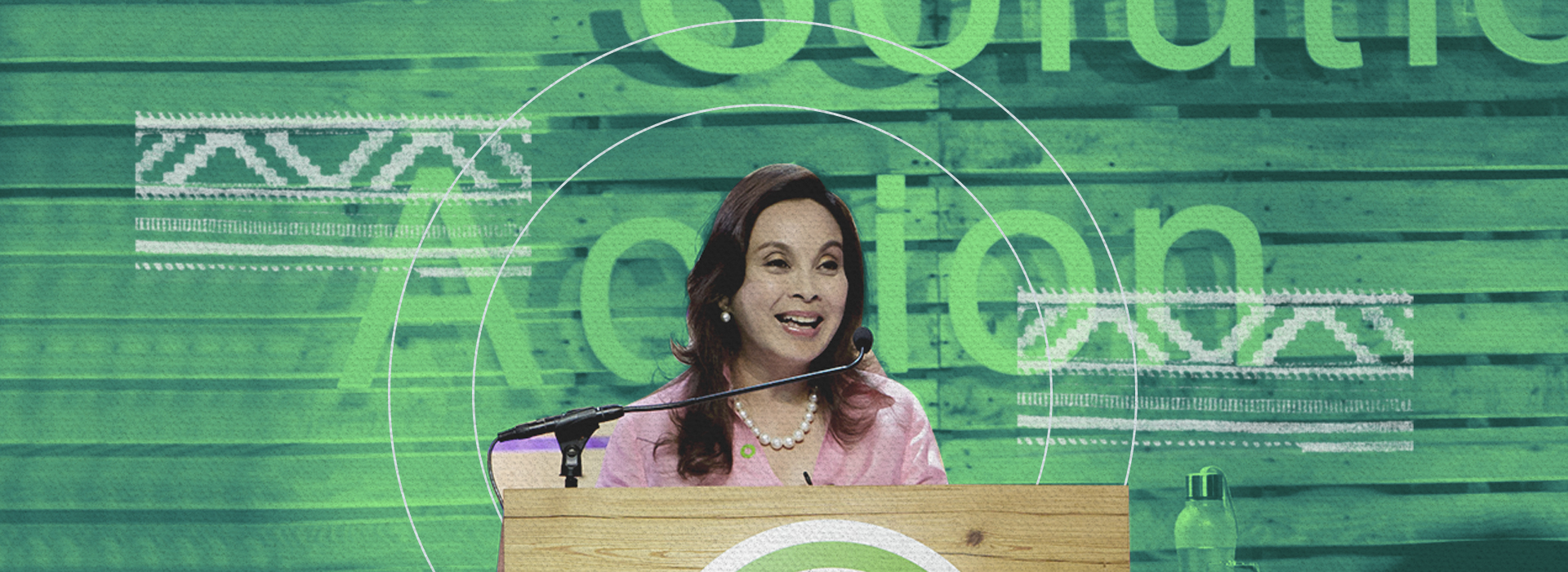
Legarda files bill to end treasure hunting, protect national cultural heritage from commercial exploitation
February 18, 2026Senator Loren Legarda has filed Senate Bill No. 1860 to repeal Presidential Decree No. 1726-A, the Martial Law-era decree that set government guidelines for treasure hunting in the Philippines, and to delete the treasure hunting permit provision embedded in the Republic Act No. 10066, or the National Cultural Heritage Act of 2009.
The bill aims to protect the country’s archaeological sites and cultural heritage from commercial exploitation and to align Philippine legislation with international best practices in heritage conservation.
“Our cultural heritage is not a commodity to be traded or exploited. It is a shared legacy that defines who we are and gives tangible expression to the historical experiences, ideas, and exchanges that have shaped our communities. It demands our collective effort to protect, preserve, and pass on to future generations,” Legarda said.
She emphasized that the treasure-hunting permit system, first introduced during Martial Law and later retained in the National Cultural Heritage Act of 2009, has led to the destruction of archaeological sites and has facilitated the commercial exploitation of the nation’s patrimony.
“When the very law meant to protect our heritage becomes an instrument for its exploitation, we must act decisively to repeal it,” Legarda stressed.
The bill mandates the National Commission for Culture and the Arts (NCCA) to develop comprehensive rules and regulations and govern all archaeological activities in the country, both on land and underwater.
The four-term Senator noted that the system is incompatible with the Philippines’ obligations under the 1972 UNESCO World Heritage Convention and the 2003 UNESCO Convention for the Safeguarding of the Intangible Cultural Heritage, which require State Parties to protect heritage sites from commercial exploitation. She explained that by repealing the treasure-hunting law, the Philippines will more closely align with international best practices in cultural heritage protection.
The measure also provides that no excavation or digging shall be permitted without the supervision of a certified archaeologist, ensuring that all activities are conducted scientifically, properly documented, and for public benefit rather than private gain.
Legarda underscored that archaeological and cultural properties form part of the country’s national patrimony and must be safeguarded for the benefit of the public.
“Every artifact, every historical site, every archaeological find tells the story of who we are as a people. When these are destroyed or taken for profit, we lose more than objects; we lose our identity, our history, and our shared heritage,” Legarda said.
“You cannot defend cultural heritage with one hand and sign off on treasure hunting permits with the other. This bill closes that contradiction and asserts that our laws stand firmly on the side of protection, not extraction for profit,” Legarda concluded.
Legarda chairs the Senate Committee on Culture and the Arts. She has championed landmark measures such as the National Cultural Heritage Act (Republic Act No. 10066) and the Cultural Mapping Law (Republic Act No. 11961), which mandates a comprehensive inventory of Filipino heritage, among others. (30)
Translation by Terence
Legarda naghain ng panukalang batas upang wakasan ang treasure hunting at pangalagaan ang pambansang pamana mula sa komersyal na pagsasamantala
Naghain si Senadora Loren Legarda ng Senate Bill No. 1860 upang i-repeal ang Presidential Decree No. 1726-A, isang kautusang ipinatupad noong panahon ng Batas Militar na nagtakda ng mga alituntunin ng pamahalaan para sa treasure hunting sa Pilipinas, at upang alisin ang probisyon hinggil sa treasure hunting permit na nakapaloob sa Republic Act No. 10066 o National Cultural Heritage Act of 2009.
Layunin ng panukala na protektahan ang mga pook-arkeolohikal at pamana ng kultura ng bansa mula sa komersyal na pagsasamantala, at iayon ang batas ng Pilipinas sa mga pandaigdigang pamantayan sa pangangalaga ng pamana.
“Ang ating pamana ay hindi kalakal na maaaring ipagbili o pagsamantalahan. Isa itong kolektibong pamana na naglalarawan kung sino tayo at nagbibigay ng kongkretong anyo sa mga karanasang historikal, kaisipan, at ugnayang humubog sa ating mga komunidad. Hinihingi nito ang sama-samang pagsisikap upang maprotektahan, mapangalagaan, at maipasa sa susunod na henerasyon,” ani Legarda.
Binigyang-diin niya na ang sistema ng treasure-hunting permit, na unang ipinakilala noong Batas Militar at kalaunan ay pinanatili sa National Cultural Heritage Act of 2009, ay nagdulot ng pagkasira ng mga pook-arkeolohikal at nagbigay-daan sa komersyal na pagsasamantala ng pambansang pamana.
“Kapag ang mismong batas na dapat magprotekta sa ating pamana ay nagiging kasangkapan ng pagsasamantala, kinakailangan nating kumilos nang may tapang upang ito’y bawiin,” giit ni Legarda.
Itinatakda ng panukala na ang National Commission for Culture and the Arts (NCCA) ang bubuo ng komprehensibong mga patakaran at regulasyon upang pamahalaan ang lahat ng gawaing arkeolohikal sa bansa, sa lupa man o sa ilalim ng dagat.
Binanggit ng apat na terminong Senadora na ang sistema ay hindi tugma sa obligasyon ng Pilipinas sa ilalim ng 1972 UNESCO World Heritage Convention at 2003 UNESCO Convention for the Safeguarding of the Intangible Cultural Heritage, na parehong nag-aatas sa mga Estado na protektahan ang mga pook-pamana mula sa komersyal na pagsasamantala. Ipinaliwanag niya na sa pagbawi ng batas sa treasure hunting, mas magiging kaayon ang Pilipinas sa mga pandaigdigang pamantayan sa pangangalaga ng pamana.
Nakasaad din sa panukala na walang paghuhukay ang pahihintulutan nang walang superbisyon ng isang sertipikadong arkeologo, upang matiyak na ang lahat ng aktibidad ay maisasagawa nang maka-agham, maayos na madokumento, at para sa kapakinabangan ng publiko, hindi ng pribadong interes.
Binigyang-diin ni Legarda na ang mga arkeolohikal at kultural na ari-arian ay bahagi ng pambansang pamana at dapat pangalagaan para sa kapakinabangan ng sambayanan.
“Bawat artifact, bawat pook-historikal, bawat tuklas-arkeolohikal ay nagsasalaysay ng ating pagkakakilanlan bilang isang bayan. Kapag ito’y nasisira o nagiging pakinabang ng iilan, higit pa sa mga bagay ang nawawala—nawawala ang ating identidad, kasaysayan, at sama-samang pamana,” ani Legarda.
“Hindi mo maaaring ipagtanggol ang pamana gamit ang isang kamay at pumirma ng treasure hunting permit gamit ang kabila. Ang panukalang batas na ito ang magsasara sa kontradiksiyong iyon at magpapatibay na ang ating mga batas ay nakatindig sa panig ng proteksiyon, hindi sa pagsasamantala para sa tubo,” pagtatapos ni Legarda.
Si Legarda ang namumuno sa Senate Committee on Culture and the Arts. Kabilang sa kanyang mga naipasa at itinaguyod na batas ang National Cultural Heritage Act (Republic Act No. 10066) at Cultural Mapping Law (Republic Act No. 11961), na nag-uutos ng komprehensibong imbentaryo ng pamana ng mga Pilipino. (30)