Legarda drives urgent education reforms to empower DepEd, modernize Adopt-a-School, and confront the literacy crisis at its roots
June 2, 2026Senate President Pro Tempore Loren Legarda, Chairperson of the Senate Committee on Basic Education, led the push for reforms that will finally allow the optimization and rationalization of Schools Division Offices, modernization of the Adopt‑a‑School program to draw stronger private sector and community support, establishment of a national K to 3 framework to directly confront the country’s literacy crisis, and creation of a National Coordinating Council for Education to ensure alignment of policies and budgets across the education sector.
The Committee’s public hearing on June 2, 2026 gathered key national agencies including DepEd, DOLE, DICT, DOST, DOH, DSWD, BIR, CHED, TESDA, EDCOM II, alongside resource persons from academic institutions, civil society, and education advocates. Their inputs provided critical perspectives on the reforms needed to strengthen the country’s basic education system.
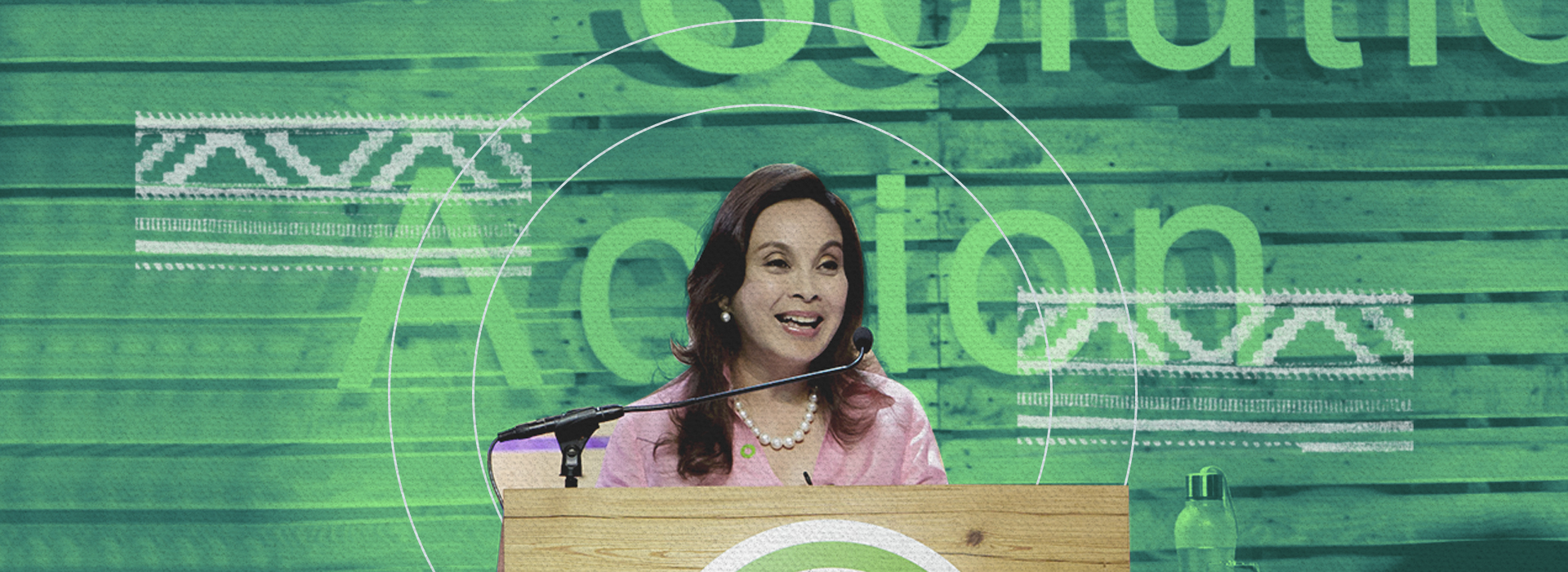
“I have called this hearing to examine several measures that address critical and interconnected challenges within our education system, from governance and service delivery to foundational learning and stakeholder participation. We are hearing these measures together because they all seek to strengthen the foundations of Philippine education,” Legarda said.
The Creation and Rationalization of Schools Division Offices bills (SBN 2089 by Sen. Bam Aquino and SBN 2205 by Legarda) propose amendments to RA 9155 to authorize DepEd, with DBM, to reorganize divisions and establish additional SDOs based on objective criteria, ensuring at least one per province and city and easing congestion in very large divisions. Legarda stressed that this reform is long overdue, noting that without such authority, even the most capable DepEd Secretary cannot legally decongest workloads.
The Adopt-a-School amendments (SBN 54 by Sen. Gatchalian, SBN 129 by Sen. Aquino, SBN 775 by Sen. Pia Cayetano, SBN 2146 by Sen. Villanueva, and SBN 794 by Legarda) seek to modernize the 1998 law by expanding coverage to ECCD, ALS, TVET, and higher education, establishing a one stop online portal, and broadening tax incentives to make private support more accessible and accountable. Legarda emphasized that the law must be updated to mobilize stronger partnerships from the private sector and communities in advancing educational outcomes.
The K to 3 Foundational Learning and Nurturing Care Act (SBN 1853 by Legarda) establishes a national program to secure literacy, numeracy, and socio emotional skills in the early grades. Based on EDCOM II data drawn from DepEd’s National Achievement Test results in 2023 and 2024, only 31% of Grade 3 learners are proficient. By Grade 12, the figure drops dramatically, with just 0.4% of students reaching proficiency.
As Co-Chair of EDCOM II, Legarda underscored that the country must confront the literacy crisis at its roots by ensuring children can read and learn in their formative years, linking classroom instruction with health, nutrition, and culturally relevant learning materials.
The National Coordinating Council for Education bills (SBN 625 by Sen. Gatchalian and SBN 2101 by Legarda) propose a high-level body under the Office of the President to align DepEd, CHED, and TESDA policies and budgets, addressing fragmentation in the tri-focalized system and rationalizing over 200 existing interagency councils. Legarda expressed cautious support, noting the need for genuine coordination but warning against duplication unless existing councils are legally subsumed under one body.
“We must confront the root cause of the learning crisis. Strengthening governance, modernizing partnerships, and securing foundational learning are urgent responsibilities to ensure that Filipino children can truly read, learn, and thrive,” Legarda said.
Legarda concluded that the committee will refine the measures further in a series of Technical Working Group (TWG) meetings, where resource persons and stakeholders will present detailed suggestions and technical inputs. She committed to personally shepherd these reforms through the legislative process until they are enacted into law. (30)
———————————————————————-
Legarda pinangunahan ang agarang reporma sa edukasyon: palakasin ang DepEd, gawing makabago ang Adopt‑a‑School, at tugunan ang krisis sa pagbasa sa K to 3
Pinangunahan ni Senate President Pro Tempore Loren Legarda, Chairperson ng Senate Committee on Basic Education, ang pagsusulong ng mga panukalang batas para sa pag‑aayos ng Schools Division Offices, modernisasyon ng Adopt‑a‑School program, pagtatatag ng pambansang balangkas para sa K to 3, at paglikha ng National Coordinating Council for Education upang matiyak ang pagkakahanay ng polisiya at badyet sa buong sektor ng edukasyon.
Sa pagdinig ng Komite noong Hunyo 2, 2026, dumalo ang DepEd, DOLE, DICT, DOST, DOH, DSWD, BIR, CHED, TESDA, EDCOM II, kasama ang mga kinatawan mula sa akademya, civil society, at mga tagapagtaguyod ng edukasyon. Nagbigay sila ng mahahalagang pananaw para sa pagpapalakas ng batayang edukasyon ng bansa.
“Tinawag ko ang pagdinig na ito upang talakayin ang mga panukalang batas na sabay‑sabay na tumutugon sa pamamahala, serbisyo, pundasyong pagkatuto, at partisipasyon ng mga sektor. Iisa ang layunin: palakasin ang pundasyon ng edukasyong Pilipino,” ani Legarda.
Ang mga panukalang batas sa Schools Division Offices, (SBN 2089 ni Sen. Bam Aquino at SBN 2205 ni Legarda), ay nagmumungkahi ng pagbabago sa RA 9155 upang bigyang kapangyarihan ang DepEd, kasama ang DBM, na mag‑reorganisa ng mga dibisyon at magtatag ng karagdagang SDO batay sa malinaw na pamantayan. Ayon kay Legarda, matagal nang kailangan ang repormang ito dahil kung wala ang naturang awtoridad, hindi kayang bawasan ng kahit sinong DepEd Secretary ang bigat ng trabaho sa malalaking dibisyon.
Ang mga amiyenda sa Adopt‑a‑School (SBN 54 ni Sen. Gatchalian, SBN 129 ni Sen. Aquino, SBN 775 ni Sen. Pia Cayetano, SBN 2146 ni Sen. Villanueva, at SBN 794 ni Legarda) ay naglalayong gawing makabago ang batas ng 1998 sa pamamagitan ng pagpapalawak ng saklaw sa ECCD, ALS, TVET, at mas mataas na edukasyon, pagtatatag ng one‑stop online portal, at pagpapalawak ng tax incentives. Giit ni Legarda, dapat i‑update ang batas upang makapagtulak ng mas matibay na pakikipagtulungan mula sa pribadong sektor at komunidad.
Ang K to 3 Foundational Learning and Nurturing Care Act (SBN 1853 ni Legarda) ay nagtatatag ng pambansang programa upang matiyak ang kasanayan sa pagbasa, pagbibilang, at socio‑emotional skills sa mga unang baitang. Batay sa datos ng EDCOM II mula sa National Achievement Test ng DepEd noong 2023 at 2024, 31% lamang ng mga mag-aaral sa Grade 3 ang nakapapasa sa pamantayan. Sa Grade 12, bumabagsak ito nang husto, kung saan 0.4% lamang ang nakakaabot sa proficiency.
Bilang Co‑Chair ng EDCOM II, iginiit ni Legarda na dapat tugunan ang krisis sa pagbasa mula sa ugat sa pamamagitan ng pagtiyak na ang mga bata ay natututo at nakababasa sa kanilang mga unang taon, na inuugnay ang pagtuturo sa silid‑aralan sa kalusugan, nutrisyon, at mga materyal na angkop sa kultura.
Ang mga panukalang batas para sa National Coordinating Council for Education (SBN 625 ni Sen. Gatchalian at SBN 2101 ni Legarda) ay nagmumungkahi ng mataas na konseho sa ilalim ng Office of the President upang i‑align ang mga polisiya at badyet ng DepEd, CHED, at TESDA, tugunan ang pagkakawatak‑watak sa trifocalized system, at ayusin ang mahigit 200 umiiral na interagency councils. Nagpahayag si Legarda ng maingat na suporta, binigyang‑babala ang pangangailangan ng tunay na koordinasyon at ang panganib ng dobleng trabaho kung hindi maisasama sa iisang katawan ang mga umiiral na konseho.
“Dapat nating harapin ang ugat ng krisis sa pagkatuto. Ang pagpapalakas ng pamamahala, modernisasyon ng pakikipagtulungan, at pagtitiyak ng pundasyong pagkatuto ay agarang tungkulin upang matiyak na ang mga batang Pilipino ay tunay na makababasa, makakaaral, at uunlad,” ani Legarda.
Dagdag pa ni Legarda, patuloy pang pag-aaralan ng komite ang mga panukala sa serye ng Technical Working Group (TWG) meetings, kung saan maghahain ng mas detalyadong mungkahi at teknikal na inputs ang mga resource persons at stakeholders. Nangako siyang personal na itutulak ang mga repormang ito hanggang sa tuluyang maisabatas. (30)