
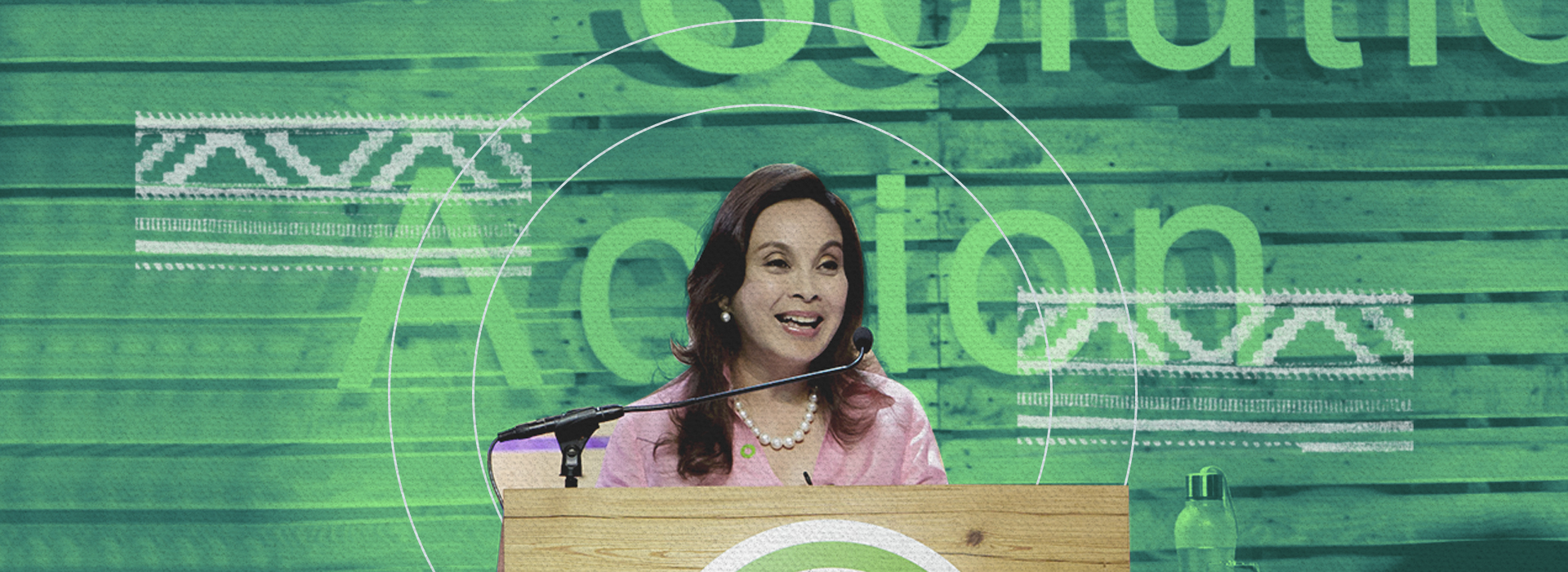
Better Learning, Stronger Teaching: Legarda champions law giving DepEd flexibility to adopt evidence-based curriculum approaches
August 6, 2026For years, students and teachers have faced the consequences of a curriculum marked by repeated competencies, insufficient depth, and persistent gaps in mastery. Senator Loren Legarda, principal author, hailed the passage of Republic Act No. 12322 as a major reform in Philippine education that gives the Department of Education (DepEd) the flexibility to choose the curricular approach that are most effective for Filipino learners, offering hope that classrooms will be shaped by methods that are responsive to the realities, matching the needs of learners and the strengths of educators.
“Ang batas na ito ay nagbibigay ng malinaw na direksyon sa pagkatuto. Binibigyan natin ang DepEd ng kakayahang tukuyin at gamitin ang pamamaraang pinakaangkop at pinakamabisa upang matiyak ang paglinang ng kaalaman at kasanayan ng bawat mag-aaral sa bawat antas ng kanilang pag-aaral,” Legarda said.
“Hindi sapat na paulit-ulit lamang na madaanan ng bata ang isang aralin. Kailangang matiyak na nauunawaan niya ito at kaya niya itong gamitin bago siya tumuntong sa susunod na antas,” she added.
Enacted into law on August 2, 2026, it amends Section 5 of the Enhanced Basic Education Act of 2013, directing DepEd to employ the curriculum approach it deems most effective in ensuring that learners master the required knowledge and skills after each level. The previous law required schools to use spiral progression, under which concepts are introduced at an early grades and revisited in succeeding grade levels with increasing depth and complexity. Republic Act No. 12322 removes this statutory requirement, allowing curriculum design to be guided instead by evidence, subject-specific needs, and actual classroom conditions, with mastery of learning as the primary measure of effectiveness.
Legarda clarified that the law does not prohibit the use of spiral progression. Rather, it allows DepEd to retain, modify, or replace the approach depending on how well it responds to the needs of particular subjects, grade levels, and learning contexts.
The reform was informed by the findings of the Second Congressional Commission on Education (EDCOM II), which in three major reports documented persistent weaknesses in curriculum design and implementation.
The Year One Report, Miseducation, found that repetition across grade levels contributed to serious gaps in foundational knowledge and poor retention among learners. The Year Two Report, Fixing the Foundations, stressed that a rigid and centralized framework failed to respond to varied learning contexts, including the Alternative Learning System and Indigenous Peoples Education.
In its Final Report, Turning Point, the Commission concluded that the system had not ensured cumulative learning, with teachers forced to teach several subject areas instead of focusing on their fields of expertise, particularly in critical subjects such as Science and Mathematics, leaving classrooms congested and mastery elusive.
“Kapag napakaraming competency na kailangang habulin at ang guro ay nagtuturo ng subject na hindi niya espesyalisasyon, nababawasan ang oras para ipaliwanag at matutunan nang mabuti ang bawat aralin. Sa ilalim ng batas na ito, maaaring mas maitugma ang curriculum, paraan ng pagtuturo, at kakayahan ng ating mga guro,” Legarda said.
The law also institutionalizes a mechanism for regular curriculum and pedagogical review, enabling DepEd to integrate emerging best practices, adopt innovations, and ensure that teaching methods remain relevant, effective, and responsive to the evolving needs of learners. Through this continuing process, the education system can better promote mastery of knowledge and skills while preparing students for the demands of a rapidly changing world.
“Ang edukasyon ay hindi maaaring manatiling nakatali sa mga paraang hindi na angkop sa mga pangangailangan ng kasalukuyan. Kailangang patuloy nating suriin at pagbutihin ang ating kurikulum at mga pamamaraan sa pagtuturo upang matiyak na tunay na natututo ang bawat bata.” Legarda emphasized.
By anchoring reforms on research and listening to the voices of teachers and learners, this law marks a decisive step toward classrooms where mastery is possible, confidence is restored, and education truly serves its purpose.
Legarda previously served as Chairperson of the Senate Committee on Basic Education and the Senate Committee on Higher, Technical, and Vocational Education. She also served as Co‑Chairperson of EDCOM II, and is now one of its Commissioners, continuing her role in shaping reforms in the country’s education system.
“Ang edukasyon ay dapat maging sandigan ng pag‑asa. Sa batas na ito, mas pinapabuti natin ang sistema ng pagtuturo upang ang bawat silid‑aralan ay maging lugar ng tunay na pagkatuto at paghubog sa kakayahan ng ating kabataan at maihanda sila sa kolehiyo, trabaho, at buhay,” Legarda concluded. (30)
—————————————————————————
Pinalakas na pagkatuto, mas Matatag na pagtuturo: Legarda itinaguyod ang batas na nagbibigay sa DepEd ng kalayaan sa paggamit ng kurikulum na nakabatay sa ebidensya
Matagal nang nararanasan ng mga mag-aaral at guro ang epekto ng kurikulum na paulit‑ulit ang mga competency, kulang sa lalim, at may patuloy na kakulangan sa mastery. Itinaguyod ni Senador Loren Legarda, pangunahing may-akda, ang pagpasa ng Republic Act No. 12322 bilang malaking reporma sa edukasyon na nagbibigay sa Department of Education (DepEd) ng kalayaan na pumili ng pamamaraang pinakaangkop para sa mga Pilipinong mag-aaral. Layunin nitong hubugin ang mga silid‑aralan batay sa mga pamamaraang tumutugon sa aktuwal na kalagayan, umaayon sa pangangailangan ng mga mag-aaral at sa lakas ng mga guro.
“Ang batas na ito ay nagbibigay ng malinaw na direksyon sa pagkatuto. Binibigyan natin ang DepEd ng kakayahang tukuyin at gamitin ang pamamaraang pinakaangkop at pinakamabisa upang matiyak ang paglinang ng kaalaman at kasanayan ng bawat mag-aaral sa bawat antas ng kanilang pag-aaral,” ani Legarda.
“Hindi sapat na paulit‑ulit lamang na madaanan ng bata ang isang aralin. Kailangang matiyak na nauunawaan niya ito at kaya niya itong gamitin bago siya tumuntong sa susunod na antas,” dagdag pa ni Legarda.
Naipasa bilang batas noong Agosto 2, 2026, binabago nito ang Section 5 ng Enhanced Basic Education Act of 2013. Inaatasan ang DepEd na gamitin ang pamamaraang kurikular na pinakamabisa upang matiyak ang mastery ng kaalaman at kasanayan sa bawat antas. Sa dating batas, nakatali ang mga paaralan sa spiral progression, kung saan ang mga konsepto ay ipinapakilala sa mababang baitang at inuulit sa susunod na antas na may dagdag na lalim. Sa RA 12322, tinanggal ang obligasyong ito at pinahintulutan ang DepEd na magdisenyo ng kurikulum batay sa ebidensiya, pangangailangan ng bawat asignatura, at aktuwal na kalagayan sa klase, na ang pangunahing sukatan ay mastery ng pagkatuto.
Nilinaw ni Legarda na hindi ipinagbabawal ng batas ang spiral progression. Sa halip, binibigyan nito ang DepEd ng kapangyarihang panatilihin, baguhin, o palitan ang pamamaraan depende sa tugon nito sa pangangailangan ng partikular na asignatura, baitang, at konteksto ng pagkatuto.
Ang reporma ay hinubog base sa mga natuklasan ng Second Congressional Commission on Education (EDCOM II), na sa tatlong ulat ay nagdokumento ng mga kahinaan sa disenyo at pagpapatupad ng kurikulum.
Sa Miseducation (Year One Report), nakita na ang paulit‑ulit na aralin sa iba’t ibang baitang ay nagdulot ng malalaking puwang sa pundasyong kaalaman at mahinang retention ng mga mag-aaral.
Sa Fixing the Foundations (Year Two Report), binigyang‑diin na ang mahigpit at sentralisadong balangkas ay hindi tumutugon sa iba’t ibang konteksto ng pagkatuto gaya ng Alternative Learning System at Indigenous Peoples Education.
Sa Turning Point (Final Report), kinilala ng Komisyon na hindi natitiyak ang cumulative learning, at napipilitang magturo ang mga guro ng maraming asignatura sa halip na tumutok sa kanilang espesyalisasyon, lalo na sa kritikal na larangan ng Agham at Matematika — nagiging masikip ang klase at nawawala ang mastery.
“Kapag napakaraming competency na kailangang habulin at ang guro ay nagtuturo ng subject na hindi niya espesyalisasyon, nababawasan ang oras para ipaliwanag at matutunan nang mabuti ang bawat aralin. Sa ilalim ng batas na ito, maaaring mas maitugma ang curriculum, paraan ng pagtuturo, at kakayahan ng ating mga guro,” ani Legarda.
Itinatag din ng batas ang mekanismo para sa regular na pagsusuri ng kurikulum at pedagohiya, na nagbibigay daan sa DepEd na isama ang mga bagong best practices, magpatibay ng inobasyon, at matiyak na ang mga pamamaraan sa pagtuturo ay nananatiling angkop, mabisa, at tumutugon sa nagbabagong pangangailangan ng mga mag-aaral. Sa tuluy‑tuloy na prosesong ito, mas maisusulong ang mastery ng kaalaman at kasanayan habang inihahanda ang mga mag-aaral sa mabilis na nagbabagong mundo.
“Ang edukasyon ay hindi maaaring manatiling nakatali sa mga paraang hindi na angkop sa mga pangangailangan ng kasalukuyan. Kailangang patuloy nating suriin at pagbutihin ang ating kurikulum at mga pamamaraan sa pagtuturo upang matiyak na tunay na natututo ang bawat bata,” binigyang‑diin ni Legarda.
Sa pamamagitan ng pagbabatay ng reporma sa pananaliksik at pakikinig sa tinig ng mga guro at mag-aaral, ang batas na ito ay nagmamarka ng mahalagang hakbang tungo sa mga silid‑aralan kung saan posible ang mastery, naibabalik ang kumpiyansa, at natutupad ang tunay na layunin ng edukasyon.
Si Legarda ay naging Chairperson ng Senate Committee on Basic Education at Senate Committee on Higher, Technical, and Vocational Education. Siya rin ay naging Co‑Chairperson ng EDCOM II at ngayon ay isa sa mga Komisyoner nito, kung saan patuloy na gumaganap ng papel sa pagbubuo ng mga reporma sa sistema ng edukasyon ng bansa.
“Ang edukasyon ay dapat maging sandigan ng pag‑asa. Sa batas na ito, mas pinapabuti natin ang sistema ng pagtuturo upang ang bawat silid‑aralan ay maging lugar ng tunay na pagkatuto at paghubog sa kakayahan ng ating kabataan at maihanda sila sa kolehiyo, trabaho, at buhay,” pagtatapos ni Legarda. (30)