
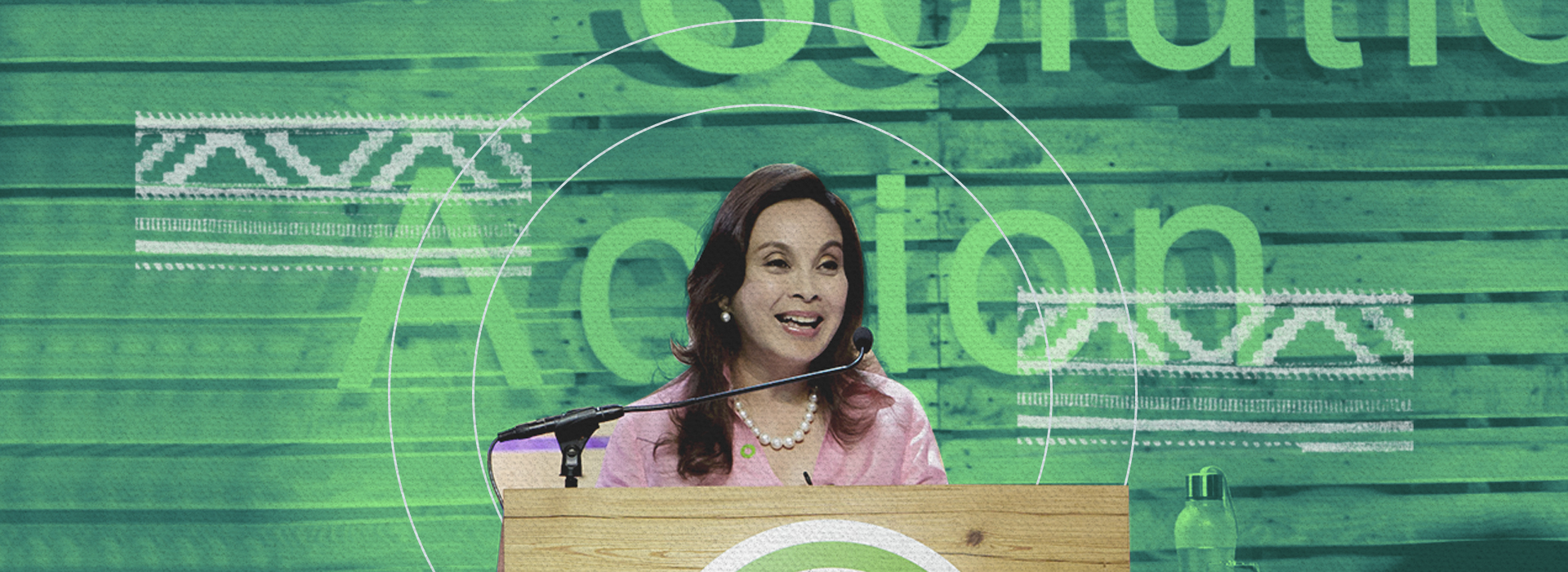
Legarda Pushes Next Chapter for Philippine Museums: More Access, More Regions, More Living Culture
October 8, 2026As the country marks Museums and Galleries Month this October, Senator Loren Legarda called for the next phase of Philippine museum development to bring culture closer to more Filipinos, strengthen museums and cultural spaces outside major urban centers, and give greater room to the living traditions and communities behind the country’s heritage.
The 2026 Museums and Galleries Month carries the theme “Bridging Divides, Preserving the Present for Tomorrow,” highlighting museums and galleries as spaces where communities, generations, and stories can meet.
“Ang museo ay mas nagiging makabuluhan kapag nakikita ng isang bata, isang pamilya, o isang pamayanan ang sarili nilang kuwento sa loob nito. Hindi dapat kailanganing lumayo nang husto para makilala natin ang sarili nating kasaysayan at kultura. We need more spaces where Filipinos can see where they came from and understand why these traditions still matter today,” Legarda said.
Legarda, Chairperson of the Senate Committee on Culture and the Arts, said this means looking beyond the traditional idea of museums as places where objects are simply collected and preserved. She stressed that the next challenge is to connect collections with the people who made them, open more opportunities for regional and community-based cultural institutions, and ensure that traditions remain practiced and transmitted. Her cultural work has long supported Schools of Living Traditions, documentation of indigenous knowledge, traditional weaving, cultural mapping, and programs bringing local heritage to wider audiences.
This approach has also shaped several cultural spaces Legarda initiated or supported with the National Museum. She initiated the creation of the Baybayin Gallery and Manlilikha ng Bayan Gallery, and helped establish Hibla ng Lahing Filipino, the country’s first permanent textile gallery at the National Museum. Her work also supported the expansion of Hibla beyond Manila through regional galleries such as Hibla Iloko and Habol Panay.
“These spaces were never meant to say, ‘Ito ang kultura natin noon.’ Ang mas mahalagang tanong ay, ‘Nasaan ang kulturang ito ngayon, sino ang nagpapatuloy nito, at paano natin sila matutulungan?’ A museum should allow us to look back, but it should also help culture move forward,” Legarda said.
Legarda said the same principle underpins Republic Act No. 10066 or the National Cultural Heritage Act of 2009, which she authored and co-sponsored, and Republic Act No. 11961 or the Cultural Mapping Law, which she authored and principally sponsored. RA 11961 strengthened the country’s heritage framework by requiring local governments to identify and document their tangible, intangible, natural, and built heritage, giving communities a stronger role in understanding and safeguarding what is uniquely theirs.
In the 20th Congress, Legarda has continued pushing measures that would expand this heritage infrastructure. Senate Bill No. 510, which seeks to amend the National Museum framework, aims to strengthen the preservation of traditional folk arts as part of the country’s intangible cultural heritage. She also filed Senate Bill No. 1852, which seeks to strengthen cultural heritage conservation through heritage incentives under RA 10066.
“Preservation cannot depend on goodwill alone. We need institutions, funding, incentives, trained people, and clear responsibilities. Kung gusto nating manatiling buhay ang ating pamana, kailangan may sistema ring susuporta sa mga taong nag-aalaga nito,” Legarda said.
She also cited Senate Bill No. 1507, which seeks to institutionalize the Schools of Living Traditions, where cultural masters directly transmit traditional knowledge and skills through community-based learning.
Legarda likewise pointed to the proposed Aklan Piña Conservation and Innovation Center under Senate Bill No. 1425. The measure seeks to establish a center in Kalibo devoted to the conservation, development, research, training, and continued innovation of Aklan’s piña tradition.
“Regional culture should never be treated as a smaller version of national culture. Ang mga kuwento at tradisyon ng bawat lalawigan at pamayanan ay bahagi mismo ng kuwento ng Pilipinas. The closer our cultural institutions are to the communities they represent, the richer and more truthful our national story becomes,” Legarda said.
She stressed that museums must also remain open to contemporary creativity. Legarda authored Republic Act No. 11904 or the Philippine Creative Industries Development Act, which recognizes the role of creative workers and industries in national development. She said preserving heritage and supporting innovation should reinforce, rather than compete with, each other.
For Legarda, the next chapter for Philippine museums and galleries should therefore be measured not only by new buildings or bigger collections, but by whether more Filipinos can enter these spaces, more regions can tell their own stories, and more cultural bearers can continue the knowledge and traditions represented inside them.
“Mas gusto kong dumating ang panahon na kapag sinabi nating museum, hindi agad iisipin na malayo, tahimik, o para lamang sa iilan. I want our museums and galleries to feel close to people. Places where a child becomes curious, where a community feels seen, where an artist finds inspiration, and where we leave knowing a little more about who we are as Filipinos,” Legarda concluded.
– – – – – – – – – – – – – – – –
Legarda, Isinusulong ang Susunod na Yugto ng mga Museo sa Pilipinas: Mas Malawak na Access, Mas Maraming Rehiyon, Mas Buhay na Kultura
Kasabay ng pagdiriwang ng Museums and Galleries Month ngayong Oktubre, nanawagan si Senator Loren Legarda na palawakin pa ang abot ng mga museo at iba pang espasyong pangkultura sa bansa upang mas mailapit ang kultura sa mas maraming Pilipino, mapalakas ang mga institusyong pangkultura sa labas ng malalaking sentrong lungsod, at mabigyan ng higit na puwang ang mga buhay na tradisyon at ang mga pamayanang nagpapanatili ng mga ito.
Ang tema ng Museums and Galleries Month ngayong 2026 ay “Bridging Divides, Preserving the Present for Tomorrow,” na nagbibigay-diin sa mahalagang papel ng mga museo at galeriya bilang mga lugar kung saan nagtatagpo ang mga pamayanan, iba’t ibang henerasyon, at sari-saring kuwento.
“Ang museo ay mas nagiging makabuluhan kapag nakikita ng isang bata, isang pamilya, o isang pamayanan ang sarili nilang kuwento sa loob nito. Hindi dapat kailanganing lumayo nang husto para makilala natin ang sarili nating kasaysayan at kultura. We need more spaces where Filipinos can see where they came from and understand why these traditions still matter today,” ani Legarda.
Bilang Chairperson ng Senate Committee on Culture and the Arts, sinabi ni Legarda na kailangang lumampas na sa nakasanayang pagtingin sa museo bilang lugar lamang na nag-iipon at nag-iingat ng mga bagay mula sa nakaraan.
Para sa kanya, ang susunod na hamon ay kung paano mas maiuugnay ang mga koleksiyon sa mga taong lumikha at nagpapanatili ng mga ito, kung paano mapalalawak ang suporta sa mga museo at institusyong pangkultura sa mga rehiyon at pamayanan, at kung paano matitiyak na ang mga tradisyon ay patuloy na naisasabuhay at naipapasa sa susunod na salinlahi.
Matagal nang bahagi ng kanyang pagsusulong sa kultura ang suporta sa Schools of Living Traditions, dokumentasyon ng katutubong kaalaman, tradisyunal na paghahabi, cultural mapping, at mga programang nagdadala ng lokal na pamana sa mas malawak na publiko.
Makikita rin ang ganitong pananaw sa ilang espasyong pangkultura na kanyang sinimulan o sinuportahan katuwang ang National Museum. Kabilang dito ang Baybayin Gallery at Manlilikha ng Bayan Gallery. Tumulong din siya sa pagtatatag ng Hibla ng Lahing Filipino, ang kauna-unahang permanenteng textile gallery ng bansa sa National Museum.
Pinalawak din ang Hibla sa labas ng Maynila sa pamamagitan ng mga regional gallery gaya ng Hibla Iloko at Habol Panay.
“These spaces were never meant to say, ‘Ito ang kultura natin noon.’ Ang mas mahalagang tanong ay, ‘Nasaan ang kulturang ito ngayon, sino ang nagpapatuloy nito, at paano natin sila matutulungan?’ A museum should allow us to look back, but it should also help culture move forward,” ani Legarda.
Ayon kay Legarda, ito rin ang prinsipyong nakapaloob sa Republic Act No. 10066 o National Cultural Heritage Act of 2009, na kanyang inakda at co-sponsored, at sa Republic Act No. 11961 o Cultural Mapping Law, na kanyang inakda at principally sponsored.
Sa ilalim ng RA 11961, mas pinalakas ang sistema ng pangangalaga sa pamana sa bansa sa pamamagitan ng pag-aatas sa mga lokal na pamahalaan na tukuyin at idokumento ang kanilang tangible, intangible, natural, at built heritage. Dahil dito, mas nabibigyan ng papel ang mga pamayanan sa pagkilala at pangangalaga sa mga pamanang natatangi sa kanilang lugar.
Sa 20th Congress, patuloy ding isinusulong ni Legarda ang mga panukalang magpapalawak at magpapalakas sa imprastraktura para sa pangangalaga ng kultura at pamana.
Sa Senate Bill No. 510, na naglalayong amyendahan ang umiiral na National Museum framework, isinusulong ang mas matibay na pangangalaga sa mga tradisyunal na katutubong sining bilang bahagi ng intangible cultural heritage ng bansa.
Inihain din niya ang Senate Bill No. 1852 upang higit pang palakasin ang cultural heritage conservation sa pamamagitan ng mga insentibo sa ilalim ng RA 10066.
“Preservation cannot depend on goodwill alone. We need institutions, funding, incentives, trained people, and clear responsibilities. Kung gusto nating manatiling buhay ang ating pamana, kailangan may sistema ring susuporta sa mga taong nag-aalaga nito,” ani Legarda.
Binanggit din niya ang Senate Bill No. 1507, na naglalayong gawing institusyonal ang Schools of Living Traditions, kung saan direktang naipapasa ng mga cultural master ang tradisyunal na kaalaman at kasanayan sa pamamagitan ng pagkatutong nakaugat mismo sa pamayanan.
Kabilang din sa mga panukalang kanyang isinusulong ang pagtatatag ng Aklan Piña Conservation and Innovation Center sa ilalim ng Senate Bill No. 1425. Layunin nitong magkaroon ng sentro sa Kalibo para sa konserbasyon, pagpapaunlad, pananaliksik, pagsasanay, at patuloy na inobasyon ng tradisyon ng paghahabi ng piña sa Aklan.
“Regional culture should never be treated as a smaller version of national culture. Ang mga kuwento at tradisyon ng bawat lalawigan at pamayanan ay bahagi mismo ng kuwento ng Pilipinas. The closer our cultural institutions are to the communities they represent, the richer and more truthful our national story becomes,” ani Legarda.
Binigyang-diin din ni Legarda na kailangang manatiling bukas ang mga museo sa kontemporaryong paglikha at mga bagong anyo ng sining.
Si Legarda ang may-akda ng Republic Act No. 11904 o Philippine Creative Industries Development Act, na kumikilala sa mahalagang papel ng mga creative worker at industriya sa pambansang kaunlaran. Para sa kanya, hindi dapat pagbanggain ang pangangalaga sa pamana at ang paglikha ng bago. Sa halip, dapat nitong palakasin ang isa’t isa.
Para kay Legarda, ang susunod na yugto ng mga museo at galeriya sa Pilipinas ay hindi lamang dapat masukat sa dami ng bagong gusali o laki ng koleksiyon. Mas mahalagang tingnan kung mas marami nang Pilipino ang nakapapasok at nakauugnay sa mga espasyong ito, kung mas marami nang rehiyon ang nakapagsasalaysay ng sarili nilang kuwento, at kung mas maraming tagapagmana ng kultura ang nabibigyan ng pagkakataong ipagpatuloy ang kaalaman at tradisyong kinakatawan ng mga koleksiyong nasa loob ng museo.
“Mas gusto kong dumating ang panahon na kapag sinabi nating museum, hindi agad iisipin na malayo, tahimik, o para lamang sa iilan. I want our museums and galleries to feel close to people. Places where a child becomes curious, where a community feels seen, where an artist finds inspiration, and where we leave knowing a little more about who we are as Filipinos,” pagtatapos ni Legarda.