
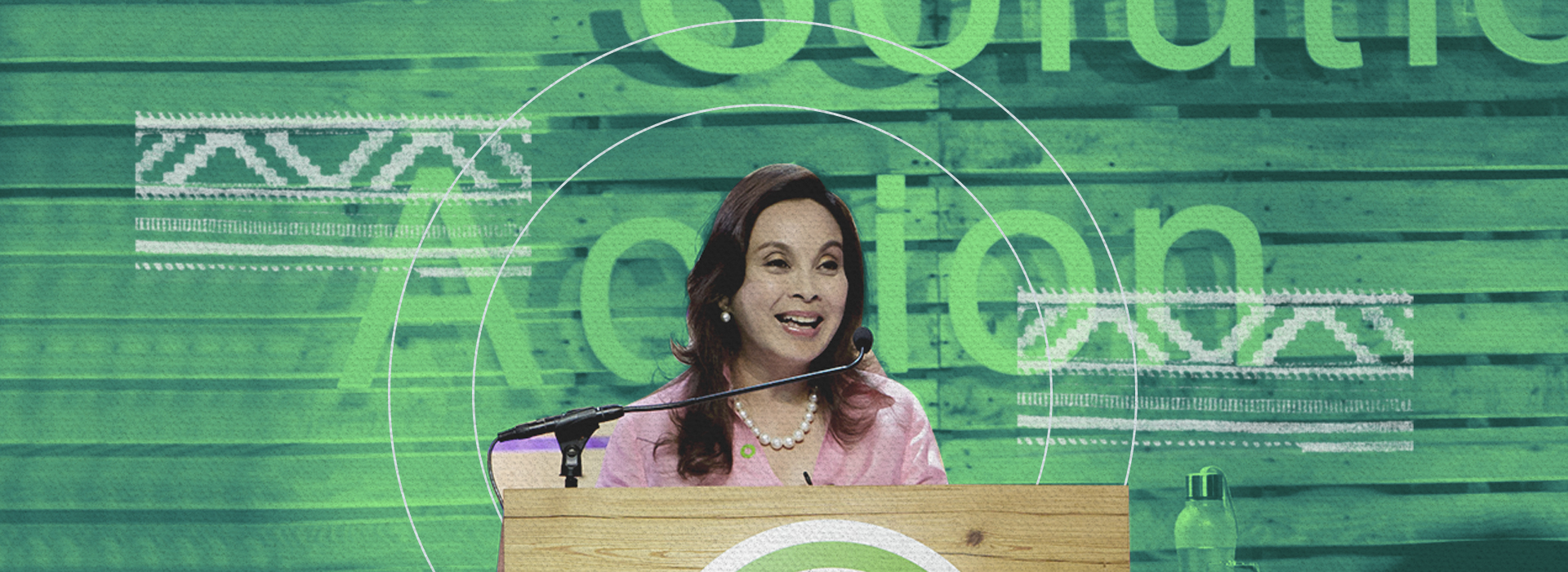
Legarda: Beyond games and social media, youth violence demands deeper answers
June 24, 2026Amid national mourning over the tragic shooting at San Jose National High School in Tacloban City, Senator Loren Legarda urged the public to look beyond simple explanations and treat the tragedy as a warning about deeper and interconnected challenges facing Filipino children and youth today.
Legarda said the Tacloban tragedy should be seen as a symptom of broader issues affecting Filipino youth, not as an incident that can be explained by one factor alone.
“Social media and online games may be part of the story, but they are not the whole story,” Legarda said. “They must be examined seriously because they can shape behavior, normalize violence, or expose children to harmful communities. But they cannot be the only explanation. The harder question is: what else was happening in this child’s life, what warning signs went unnoticed, and how do we make sure the next child in crisis is met with support before tragedy strikes?”
According to Legarda, violence among young people is often linked to deeper struggles and failures in the support systems meant to protect children. Citing a study in the Journal of Pediatric Health Care, she noted that perpetrators often show serious underlying concerns, including trauma, profound depression, severe anxiety, and suicidal ideation. For this reason, she said authorities must carefully examine the bullying allegations now under investigation and determine whether warning signs were missed before the tragedy occurred.
“When a child reaches a point where violence becomes imaginable, we must ask what happened long before that moment. Children do not wake up one day disconnected from their peers, overwhelmed by anger, or unable to see alternatives to violence. Those conditions develop over time.”
“If bullying is proven to have played a role, then this tragedy should remind us that bullying is never harmless. What some dismiss as teasing can leave deep wounds that affect a child’s sense of belonging, safety, and self-worth.”
Legarda said the minors involved must still be held accountable under the law, subject to due process, child protection standards, and the country’s juvenile justice framework.
Legarda also pointed out that regardless of motive, one fact remains deeply troubling: minors gained access to firearms.
“No matter what influenced these young people, this tragedy became deadly because guns found their way into the hands of children. We must determine exactly how that happened and ensure accountability where negligence is found. If, as reports indicate, one of the firearms used was government-issued, then this is no longer just a matter of individual responsibility. It becomes an institutional issue that demands a thorough review of firearm custody, safekeeping protocols, and accountability mechanisms within the agencies concerned.”
She said the discussion should also include the broader reality facing many young Filipinos today. Legarda called on families, schools, communities, technology companies, and government institutions to work together to protect children.
“Our children are growing up in a world that is more connected than ever, but many also feel more isolated than ever. They face pressures from school, social media, family expectations, economic uncertainty, and online environments that previous generations never had to navigate,” Legarda said.
Long concerned about the harmful effects of social media, Legarda previously filed Senate Bill No. 1955, or the proposed “Children’s Safety in Social Media Act,” which requires platforms to enforce a minimum user age of 16 while protecting children online and respecting free speech.
In view of the recent tragedy, Legarda is also considering a complementary measure requiring age verification for violent and mature-rated video and online games, using safeguards similar to fintech systems, such as government-issued identification and photo recognition, to help prevent minors from accessing age-inappropriate content.
Legarda emphasized, however, that digital safeguards alone are not enough.
“Digital platforms have responsibilities that extend beyond profit. Child safety must be built into the design, operation, and governance of online spaces. But protection must also respect privacy. Children should not be forced to surrender unnecessary personal data just to be kept safe from harm.”
Legarda said protecting children must be a shared responsibility of families, schools, communities, digital platforms, and government. Schools must be able to detect warning signs early, enforce anti-bullying measures, provide real guidance and counseling support, and refer children in crisis to proper help. Parents and communities must be more engaged, online and gaming spaces must be made safer, campuses must have practical security protocols, and firearms, especially government-issued weapons, must be kept strictly out of children’s reach.
“We cannot wait for the next tragedy before we act. The lesson of Tacloban is that when warning signs are missed, when children fall through the cracks, and when support systems fail, the consequences can be heartbreaking. It takes a whole village to protect a child, and we owe it to every Filipino child to build safer, more caring schools, homes, online spaces, and communities.” (30)
—————————————————————————-
Legarda: Higit pa sa mga laro at social media, mas malalim na sagot sa karahasan ng kabataan ang kailangan
Sa gitna ng pagluluksa ng bansa dahil sa insidente ng pamamaril sa San Jose National High School sa Tacloban City, nanawagan si Senadora Loren Legarda sa publiko na ituring ang pangyayari bilang babala sa mas malalim at magkakaugnay na hamon na kinahaharap ng mga batang Pilipino at kabataan sa panahon ngayon.
Sinabi ni Legarda na ang insidente ay dapat tingnan bilang sintomas ng mas malawak na suliranin na nakaaapekto sa kabataang Pilipino, at hindi isang pangyayaring maipaliliwanag ng iisang dahilan lamang.
“Maaaring bahagi ng kuwento ang social media at online games, ngunit hindi ang mga ito ang buong kuwento,” ani Legarda. “Kailangang suriin nang seryoso dahil maaari nilang hubugin ang asal, gawing normal ang karahasan, o ilantad ang mga bata sa mapanganib na komunidad. Ngunit hindi sila maaaring maging tanging paliwanag. Ang mas mabigat na tanong ay: ano pa ang nangyayari sa buhay ng batang ito, anong mga babala ang hindi napansin, at paano natin matitiyak na ang susunod na batang nasa krisis ay matutulungan bago mangyari ang trahedya?”
Ayon kay Legarda, ang karahasan sa kabataan ay madalas na kaugnay ng mas malalim na suliranin at pagkukulang ng mga sistemang dapat nagpoprotekta sa kanila. Binanggit niya ang isang pag-aaral sa Journal of Pediatric Health Care na nagpapakita na ang mga gumagawa ng ganitong karahasan ay kadalasang may seryosong dinadala, kabilang ang trauma, matinding depresyon, matinding pagkabalisa, at kaisipang magpakamatay. Dahil dito, iginiit niyang dapat masusing imbestigahan ng mga awtoridad ang mga alegasyon ng bullying at tukuyin kung may mga babala na hindi nakita bago naganap ang insidente.
“Kapag umabot na sa puntong maiisip ng isang bata ang karahasan, dapat nating itanong kung ano ang nangyari bago pa iyon. Hindi basta nagigising ang bata na hiwalay na sa kapwa, puno ng galit, o wala nang nakikitang ibang paraan kundi karahasan. Unti-unti itong nabubuo sa paglipas ng panahon.”
“Kung mapatunayang may papel ang bullying, dapat magsilbing paalala ang insidenteng ito hinggil sa epekto ng bullying. Ang iba’y tinatawag lang na biro, ngunit maaari itong mag-iwan ng sugat na malalim at makaaapekto sa pakiramdam ng bata na siya’y kabilang, ligtas, at may halaga.”
Sinabi rin ni Legarda na ang mga menor de edad na sangkot ay dapat pa ring managot sa ilalim ng batas, alinsunod sa due process, child protection standards, at juvenile justice framework ng bansa.
Itinuro din niya na anuman ang motibo, isang nakababahalang katotohanan ang nananatili: nagkaroon ng access sa baril ang mga menor de edad.
“Anuman ang nakaimpluwensya sa kanila, nagresulta sa pagkamatay ang insidente dahil nagkaroon ng access sa baril ang mga bata. Dapat alamin kung paano ito nangyari at panagutin ang mga nagkulang. Kung totoo ang ulat na isa sa mga baril ay mula sa gobyerno, hindi na ito usapin ng indibidwal na pananagutan lamang. Isa na itong usaping institusyonal na nangangailangan ng masusing pagsusuri sa pamamahala ng baril, mga patakaran sa seguridad, at mekanismo ng pananagutan sa mga ahensyang may kinalaman.”
Dagdag pa niya, dapat ding isama sa talakayan ang mas malawak na realidad na kinahaharap ng maraming kabataang Pilipino ngayon. Nanawagan si Legarda sa pamilya, paaralan, komunidad, mga kompanya ng teknolohiya, at mga institusyon ng pamahalaan na magtulungan upang maprotektahan ang mga bata.
“Lumalaki ang ating mga anak sa mundong mas konektado kaysa dati, ngunit marami rin sa kanila ang mas nakararamdam ng pag-iisa. Sila’y humaharap sa pressure mula sa paaralan, social media, inaasahan ng pamilya, kawalan ng katiyakan sa ekonomiya, at mga online na kapaligiran na hindi naranasan ng mga nakaraang henerasyon,” ani Legarda.
Matagal nang ikinabahala ni Legarda ang masamang epekto ng social media. Naghain siya ng Senate Bill No. 1955, o ang panukalang “Children’s Safety in Social Media Act,” na nagtatakda ng minimum user age na 16 at nag-uutos sa mga platform na protektahan ang mga bata habang iginagalang ang malayang pananalita.
Kaugnay ng insidente, pinag-aaralan din niya ang isang panukalang batas na magtatakda ng age verification para sa mga violent at mature-rated na video at online games, gamit ang mga mekanismong katulad ng fintech systems gaya ng government-issued ID at photo recognition, upang maiwasan ang pag-access ng mga menor de edad sa content na hindi angkop sa kanilang edad.
Binigyang-diin din ni Legarda na hindi sapat ang digital safeguards lamang.
“May pananagutan ang mga digital platform na hindi lang tungkol sa kita. Dapat nakapaloob ang child safety sa disenyo, operasyon, at pamamahala ng online spaces. Ngunit dapat ding igalang ang privacy. Hindi dapat pilitin ang mga bata na ibigay ang hindi kinakailangang personal na datos para lamang maprotektahan sila mula sa panganib.”
Ayon kay Legarda, ang proteksyon ng mga bata ay sama-samang responsibilidad ng pamilya, paaralan, komunidad, digital platforms, at pamahalaan. Dapat kayang makita ng mga paaralan ang mga senyales nang maaga, ipatupad ang anti-bullying measures, magbigay ng tunay na gabay at counseling support, at i-refer ang mga batang nasa krisis sa tamang tulong. Dapat mas maging aktibo ang mga magulang at komunidad, gawing mas ligtas ang online at gaming spaces, tiyakin ang praktikal na seguridad sa mga paaralan, at panatilihing mahigpit na hindi naaabot ng mga bata ang mga baril, lalo na ang mga mula sa gobyerno.
“Hindi tayo maaaring maghintay ng susunod na trahedya bago kumilos. Ang aral ng Tacloban ay kapag hindi nakita ang mga babala, kapag nahulog ang mga bata sa puwang, at kapag nabigo ang mga sistemang dapat sumuporta, ang nagiging kapalit ay matinding trahedya. Kailangan ng buong pamayanan para protektahan ang isang bata, at tungkulin natin para sa bawat batang Pilipino na bumuo ng mas ligtas at mas mapagmalasakit na paaralan, tahanan, online spaces, at komunidad.” (30)