
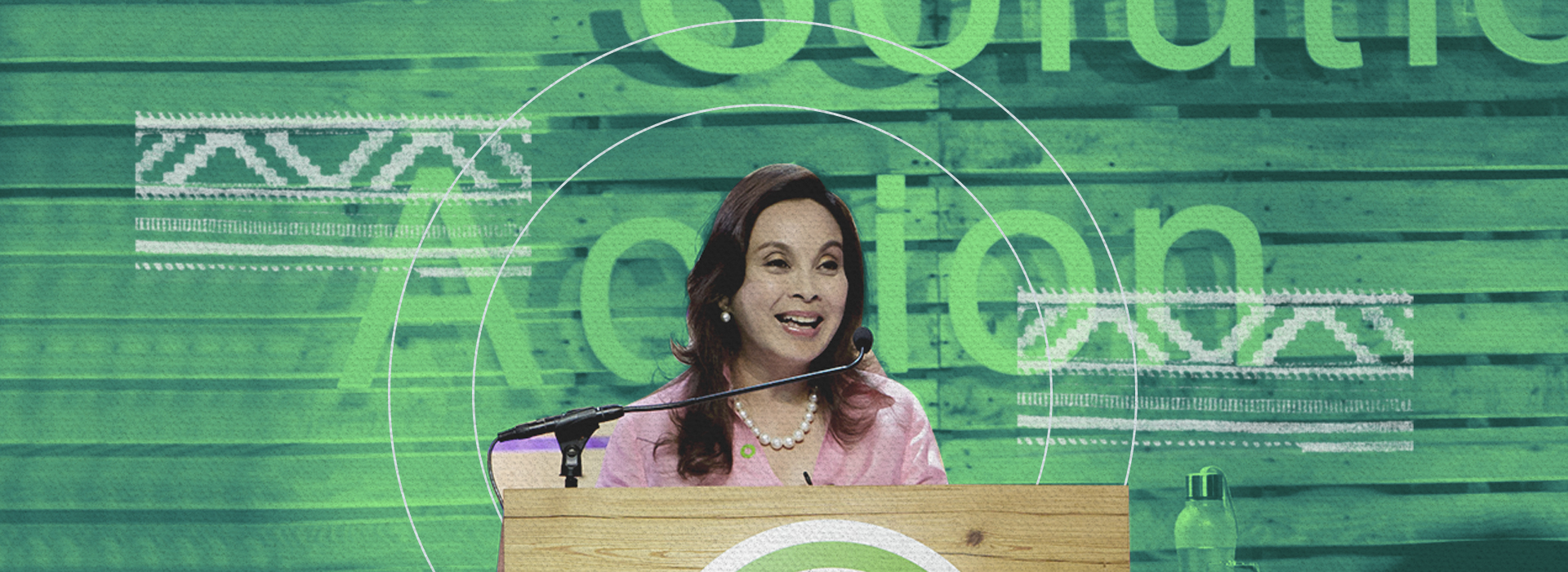
Legarda advances GIDA Schools Act to guarantee education access in remote areas
March 11, 2026Senator Loren Legarda, Chairperson of the Senate Committee on Higher, Technical and Vocational Education, has introduced Senate Bill No. 1937, the GIDA Schools Act, a measure that institutionalizes support for public basic education schools in geographically isolated and disadvantaged areas (GIDA).
The bill, principally authored by Legarda, ensures that children in remote communities will have schools within reach, guided by national accessibility standards, a mapping system, and annual reporting to Congress.
The proposed law directs the Department of Education (DepEd) to adopt a three-kilometer walkable distance or safe transport access standard, develop and publish a National GIDA Schools Map within one year, and update it every three years to guide resource allocation. It also requires annual reporting on learner participation, retention, and outcomes to guarantee transparency and measurable progress.
“Through this measure, we ensure that learners in geographically isolated and disadvantaged areas are given the same opportunities to learn and thrive as any other student,” Legarda said.
The Act formally establishes GIDA Schools under DepEd, guided by indicators such as limited classrooms, absence of electricity, multigrade classes, and high percentages of Indigenous Peoples (IP) learners.
It strengthens inter agency collaboration with the Department of Public Works and Highways (DPWH) for access roads, the Department of Energy (DOE) and National Electrification Administration (NEA) for electricity, the Department of Information and Communications Technology (DICT) for connectivity, and the National Commission on Indigenous Peoples (NCIP) for compliance with Free Prior and Informed Consent (FPIC). The Department of Environment and Natural Resources (DENR) is tasked to ensure compliance with environmental laws, including the Expanded National Integrated Protected Areas System (E NIPAS) Act of 2018 and the Revised Forestry Code.
“This bill recognizes the unique challenges faced by schools in remote and disadvantaged areas, and seeks to provide them with the necessary support to deliver quality education,” Legarda said.
The measure integrates Indigenous Knowledge Systems and Practices (IKSP) into the curriculum for schools in ancestral domains, while requiring disaster resilient and context responsive infrastructure standards. It also mandates targeted teacher support packages, including hardship allowances, housing assistance, professional development, and localized recruitment to ensure educators are culturally connected to the communities they serve.
Local School Boards are tasked to assist in identifying and prioritizing GIDA Schools, allocating funds, and promoting community participation. DepEd is mandated to review and revise policies to address the specific conditions of GIDA Schools, while appropriations for implementation will be included in the annual General Appropriations Act.
The passage of the GIDA Schools Act would mark a strong commitment to inclusive education, ensuring that learners in the farthest communities are given equal opportunities to succeed. Legarda concluded that by institutionalizing support for GIDA schools, the measure strengthens the nation’s resolve to make quality education accessible to all Filipino children. (30)
—————————————————————————
Legarda isinusulong ang GIDA Schools Act para matiyak ang akses sa edukasyon sa malalayong lugar
Isinulong ni Senadora Loren Legarda, Chairperson ng Senate Committee on Higher, Technical and Vocational Education, ang Senate Bill No. 1937 o GIDA Schools Act, isang panukalang batas na nagtataguyod ng suporta para sa mga pampublikong paaralan sa geographically isolated and disadvantaged areas (GIDA).
Ang panukala, na pangunahing inakda ni Legarda, ay naglalayong matiyak na ang mga bata sa malalayong komunidad ay may paaralang maaabot, alinsunod sa pambansang pamantayan sa accessibility, mapping system, at taunang ulat sa Kongreso.
Inaatasan ng panukalang batas ang Department of Education (DepEd) na magpatupad ng pamantayan sa tatlong kilometrong distansyang maaaring lakarin o ligtas na transportasyon, bumuo at ilathala ang National GIDA Schools Map sa loob ng isang taon, at i-update ito kada tatlong taon upang magsilbing gabay sa alokasyon ng pondo. Kailangan ding magsumite ng taunang ulat hinggil sa partisipasyon, retention, at resulta ng mga mag-aaral upang matiyak ang transparency at nasusukat na progreso.
“Through this measure, we ensure that learners in geographically isolated and disadvantaged areas are given the same opportunities to learn and thrive as any other student,” pahayag ni Legarda.
Itinatatag ng panukala ang GIDA Schools sa ilalim ng DepEd, batay sa mga indikador gaya ng kakulangan sa silid-aralan, kawalan ng kuryente, multigrade classes, at mataas na porsyento ng Indigenous Peoples (IP) learners.
Pinalalakas din nito ang inter-agency collaboration kasama ang Department of Public Works and Highways (DPWH) para sa access roads, Department of Energy (DOE) at National Electrification Administration (NEA) para sa kuryente, Department of Information and Communications Technology (DICT) para sa konektibidad, at National Commission on Indigenous Peoples (NCIP) para sa Free Prior and Informed Consent (FPIC). Inaatasan naman ang Department of Environment and Natural Resources (DENR) na tiyakin ang pagsunod sa mga batas pangkalikasan, kabilang ang Expanded National Integrated Protected Areas System (E-NIPAS) Act of 2018 at Revised Forestry Code.
“This bill recognizes the unique challenges faced by schools in remote and disadvantaged areas, and seeks to provide them with the necessary support to deliver quality education,” paliwanag ni Legarda.
Isinasama ng panukala ang Indigenous Knowledge Systems and Practices (IKSP) sa kurikulum ng mga paaralan sa ancestral domains, habang inaatasan ang pagpapatayo ng disaster-resilient at context-responsive na imprastraktura. Nagbibigay din ito ng targeted teacher support packages gaya ng hardship allowances, housing assistance, professional development, at localized recruitment upang matiyak na ang mga guro ay may ugnayang kultural sa mga komunidad na kanilang pinaglilingkuran.
Inaatasan ang Local School Boards na tumulong sa pagtukoy at pagbibigay-prayoridad sa GIDA Schools, maglaan ng pondo, at isulong ang partisipasyon ng komunidad. Mandato rin ng DepEd na repasuhin at baguhin ang mga polisiya upang matugunan ang partikular na kalagayan ng GIDA Schools, habang ang pondo para sa implementasyon ay isasama sa taunang General Appropriations Act.
Ang pagpasa ng GIDA Schools Act ay magsisilbing matibay na pangako sa inklusibong edukasyon, na nagbibigay ng pantay na pagkakataon sa mga mag-aaral sa pinakamalalayong komunidad upang magtagumpay. Binanggit ni Legarda na sa pamamagitan ng institusyonalisadong suporta para sa GIDA Schools, pinatitibay ng panukala ang pambansang adhikain na gawing abot-kamay ang dekalidad na edukasyon para sa lahat ng batang Pilipino.